
Pain is not always the same. Some people describe their pain as dull or aching, while others experience sharp sensations that feel like burning, tingling, numbness, or even electric shocks. These unusual sensations often point to nerve-related pain, also known as neuropathic pain.
Understanding why nerve pain feels different from other types of pain can help patients seek the right treatment. At Kansas Pain Management, identifying whether pain comes from nerves, muscles, or joints is an important step in creating an effective treatment plan.
What Is Nerve Pain?
Nerve pain occurs when a nerve becomes irritated, compressed, or damaged. Instead of sending normal signals, the nerve begins sending abnormal messages to the brain. These signals can produce sensations that feel very different from typical muscle or joint pain.
Because nerves carry electrical signals throughout the body, disturbances in those signals can lead to unusual sensations.
Why Nerve Pain Feels Like Burning or Electric Shocks
Nerves communicate through electrical impulses. When a nerve is injured or compressed, those signals can become unstable or overactive.
This can cause symptoms such as:
- Burning sensations
- Tingling or “pins and needles” feelings
- Electric shock–like pain
- Numbness
- Sharp, shooting pain that travels down an arm or leg
These sensations occur because the nerve is sending misfiring signals to the brain, even when there is no new injury.
Common Conditions That Cause Nerve Pain
Several spine and nerve conditions can lead to neuropathic pain.
Herniated Discs
When a spinal disc bulges or ruptures, it may press on nearby nerves, causing pain that travels down the arms or legs.
Sciatica
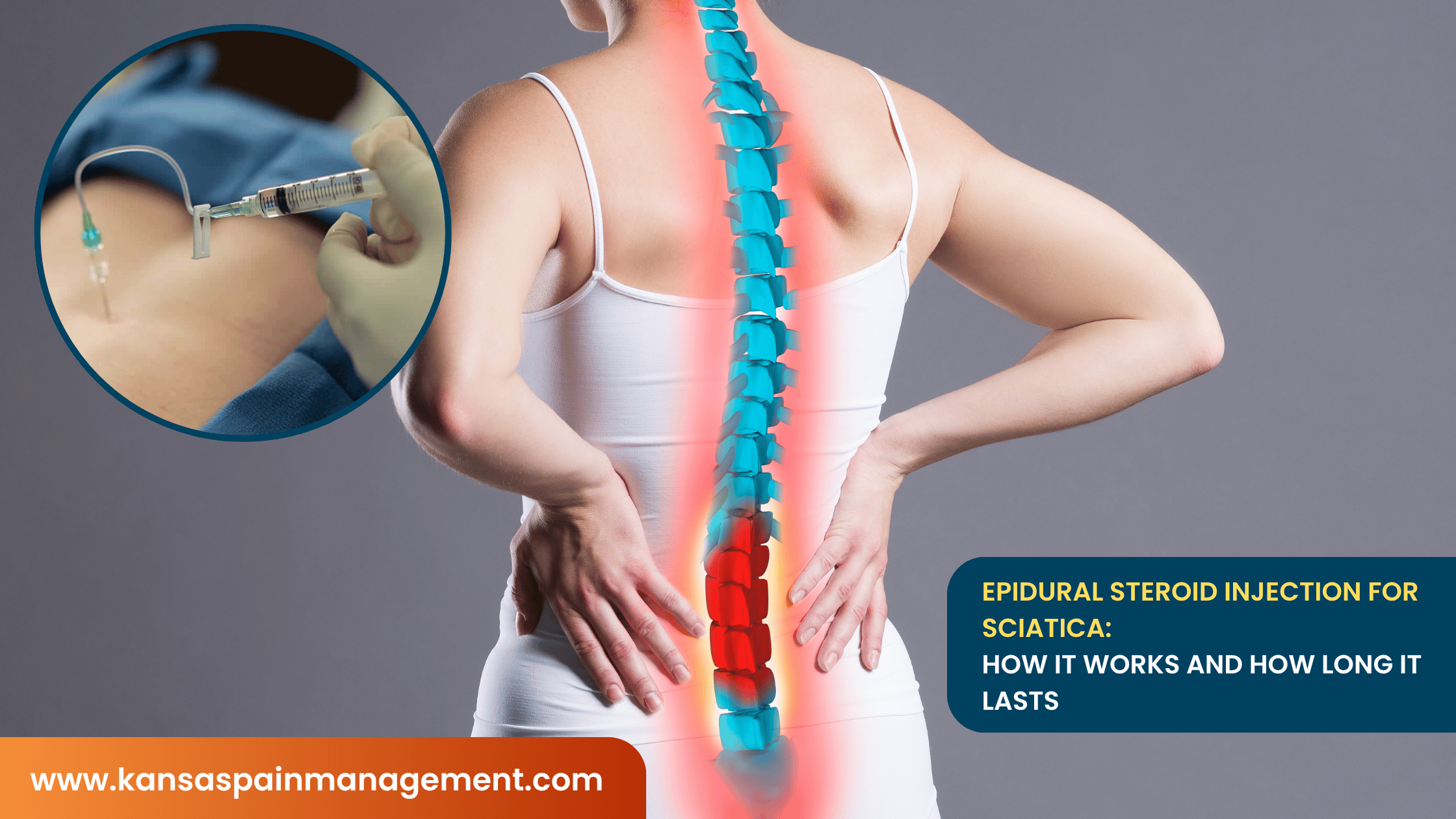
Compression of the sciatic nerve in the lower back can cause burning or shooting pain that travels from the lower back into the leg.
Spinal Stenosis
Narrowing of the spinal canal can place pressure on nerves, leading to tingling, numbness, or weakness.
Peripheral Nerve Irritation
Injuries, repetitive strain, or inflammation can irritate nerves outside the spine.
How Nerve Pain Differs From Muscle Pain
Understanding the difference between nerve pain and muscle pain can help guide treatment.
Nerve Pain
- Burning or electric sensations
- Tingling or numbness
- Pain that radiates down an arm or leg
- Often follows a nerve pathway
Muscle Pain
- Dull, aching discomfort
- Localized soreness
- Stiffness or tightness
- Usually worsens with movement or pressure
Because symptoms may overlap, medical evaluation is often needed to determine the exact cause.
How Doctors Diagnose Nerve Pain
At Kansas Pain Management, diagnosing nerve pain typically involves several steps, including:
- Reviewing symptoms and medical history
- Physical examination to check strength, reflexes, and sensation
- Imaging tests such as MRI when needed
- Diagnostic injections that help identify the exact pain source
Identifying the correct pain generator is essential for choosing the most effective treatment.
Treatment Options for Nerve Pain
Many patients can find relief with non-surgical treatments that target the underlying cause of nerve irritation.
Common options include:
Epidural Steroid Injections
These injections help reduce inflammation around irritated spinal nerves.
Nerve Blocks
Targeted injections can temporarily interrupt pain signals and help confirm the source of pain.
Radiofrequency Ablation
This minimally invasive procedure interrupts certain nerve signals to provide longer-lasting pain relief in specific conditions.
Physical Therapy
Guided exercises can strengthen supportive muscles and reduce pressure on affected nerves.
Treatment plans are tailored to each patient based on the underlying condition and severity of symptoms.
When to See a Pain Specialist
You may benefit from a professional evaluation if you experience:
- Burning or electric shock–like pain
- Tingling or numbness in the arms or legs
- Pain that travels down a limb
- Persistent pain that does not improve with rest or basic treatment
Early diagnosis can help prevent symptoms from becoming more severe or long-lasting.
Finding Relief From Nerve Pain
Nerve pain can be frustrating and difficult to live with, but it is often treatable once the source is identified. With accurate diagnosis and targeted care, many patients experience significant improvement in pain and function.
At Kansas Pain Management, the goal is to help patients understand their symptoms and explore safe, effective treatment options that improve quality of life.
If you are experiencing burning, tingling, or electric-shock sensations, a comprehensive evaluation can help determine the best path forward.