
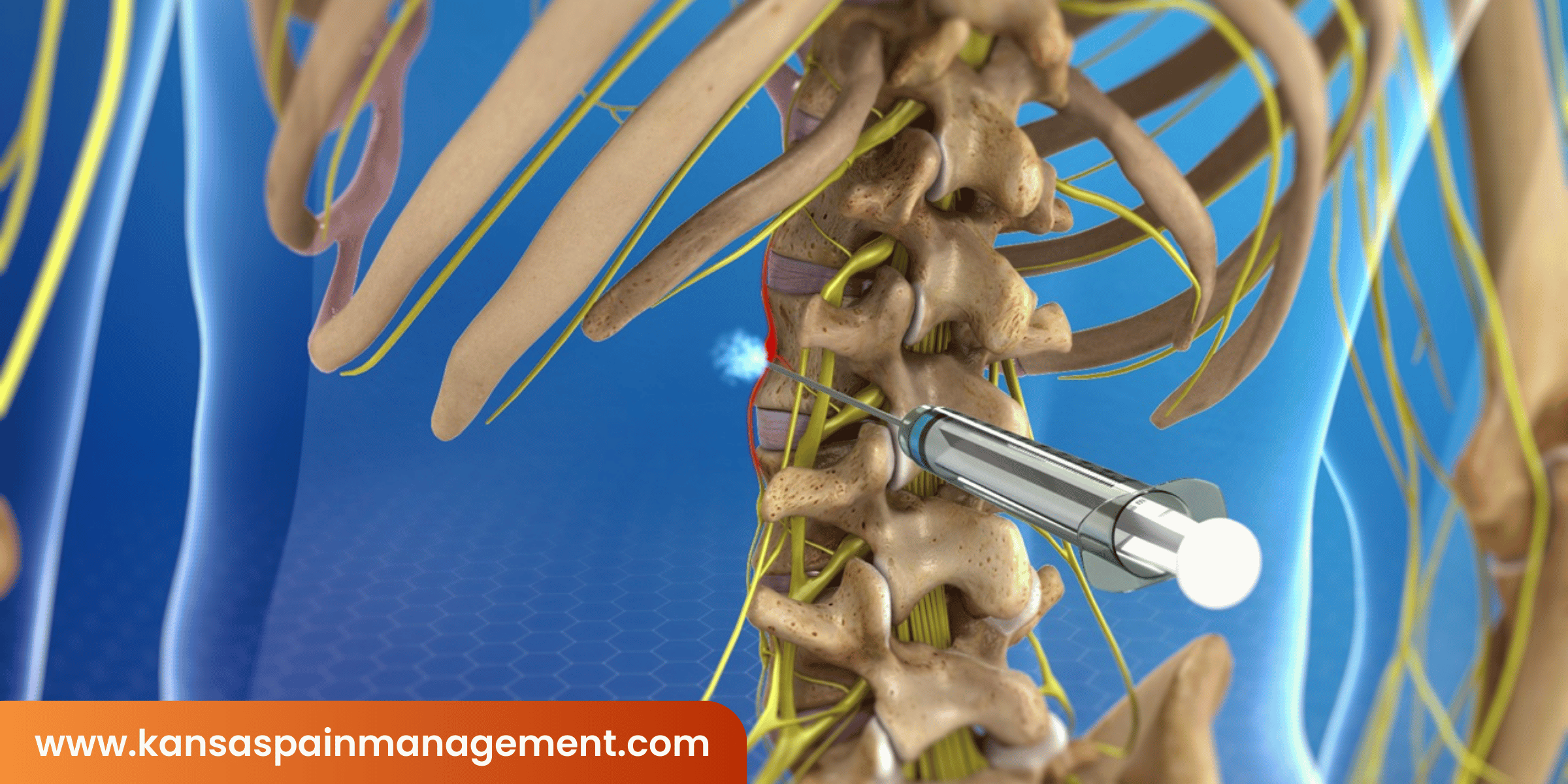
Sympathetic Nerve Block
A sympathetic nerve block is a minimally invasive injection used to diagnose and treat pain caused by the sympathetic nervous system.
The sympathetic nervous system controls automatic body functions like blood flow, temperature, and sweating. When these nerves become overactive or dysfunctional, they can contribute to chronic pain conditions.
During the procedure, medication is injected near clusters of sympathetic nerves (called ganglia) to block abnormal pain signals and improve circulation.

What Conditions Does This Treatment Help?
- Complex Regional Pain Syndrome (CRPS)
- Chronic nerve (neuropathic) pain
- Post-surgical or post-traumatic pain
- Circulation disorders (Raynaud’s syndrome)
- Chronic abdominal or pelvic pain
- Excessive sweating (hyperhidrosis)
Types of Sympathetic Nerve Blocks
Depending on where your pain is located, different types of sympathetic blocks may be used:
- Stellate Ganglion Block → for neck, arm, and upper body pain
- Lumbar Sympathetic Block → for lower back, leg, and foot pain
- Celiac Plexus Block → for abdominal pain
👉 All of these target specific nerve clusters connected to the sympathetic system.
How Does a Sympathetic Nerve Block Work?
Pain signals can travel through the sympathetic nervous system and become overactive in certain chronic conditions.
- A needle is placed near the targeted nerve cluster
- Local anesthetic (± steroid) is injected
- The injection temporarily “turns off” the nerve activity
- Pain signals are reduced or interrupted
This can:
✔ Reduce pain
✔ Improve blood flow
✔ Help “reset” abnormal nerve activity
👉 Blocking sympathetic nerves can also shift the body’s balance and reduce inflammation-related pain.
What to Expect During the Procedure
Before the Procedure
- Medical evaluation and history review
- Instructions on medications and fasting
During the Procedure
- Performed under fluoroscopy (X-ray) or ultrasound guidance
- Local anesthesia with or without sedation
- Needle placed near the targeted ganglion
- Medication injected
- Procedure takes about 20–40 minutes
After the Procedure
- Short observation period
- Same-day discharge
- Temporary warmth, numbness, or weakness may occur
Benefits of Sympathetic Nerve Block
✔ Minimally invasive, no surgery required
✔ Helps diagnose the source of chronic pain
✔ Can provide meaningful pain relief
✔ Improves circulation and nerve function
✔ May reduce need for medications
👉 Some patients experience relief lasting weeks to months, especially with a series of injections.
Who Is a Good Candidate?
- Have chronic nerve-related pain
- Experience burning, tingling, or temperature changes
- Have suspected sympathetic nerve involvement
- Have not improved with conservative treatments
Risks & Side Effects
- Temporary soreness or bruising
- Warm sensation or weakness
- Infection or bleeding (rare)
- Nerve injury (very rare)
- Specific temporary effects depending on injection site
When Is This Treatment Recommended?
Sympathetic nerve blocks are typically recommended when:
- Pain is suspected to be sympathetically mediated
- Conservative treatments have failed
- Diagnosis needs confirmation
- Patients want a non-surgical treatment option
👉 It is positioned as a mid-level treatment before advanced therapies like neuromodulation
Recovery & Results
- Mild soreness for 1–2 days
- Immediate relief may occur from anesthetic
- Longer relief develops over days to weeks
- Relief may last weeks to months
FAQs
Treatment Offered By Kansas Pain Management
Kansas Pain Management offers a comprehensive pain treatment plan that is tailored to each patient’s specific needs. The first step is a thorough evaluation, which includes a medical history, physical examination, and diagnostic testing, if necessary.
Treatment options may include medications, physical therapy, injections, or surgery, depending on the underlying cause of the pain.
Kansas Pain Management also offers a range of minimally invasive procedures to help alleviate pain and restore function. With board-certified and fellowship-trained physicians, Kansas Pain Management is committed to providing the highest quality care for patients suffering from pain. You can book an appointment with us at Overland Park, Lawrence, Leavenworth/Lansing, Roeland Park, etc. We also serve nearby locations like Ottawa, Missouri, Topeka, Belton, Manhattan, Lee’s Summit, Johnson County & Kansas areas.
Book an appointment here to learn more or call us at 913-339-9437 to schedule now.
Some Of The Other Surgical Procedures We Provide:
FAQs
A needle is guided to the nerve plexus using fluoroscopy.
Abdominal or pelvic pain.
Patients who did not experience relief from conservative therapies like physical therapy or medication management.