
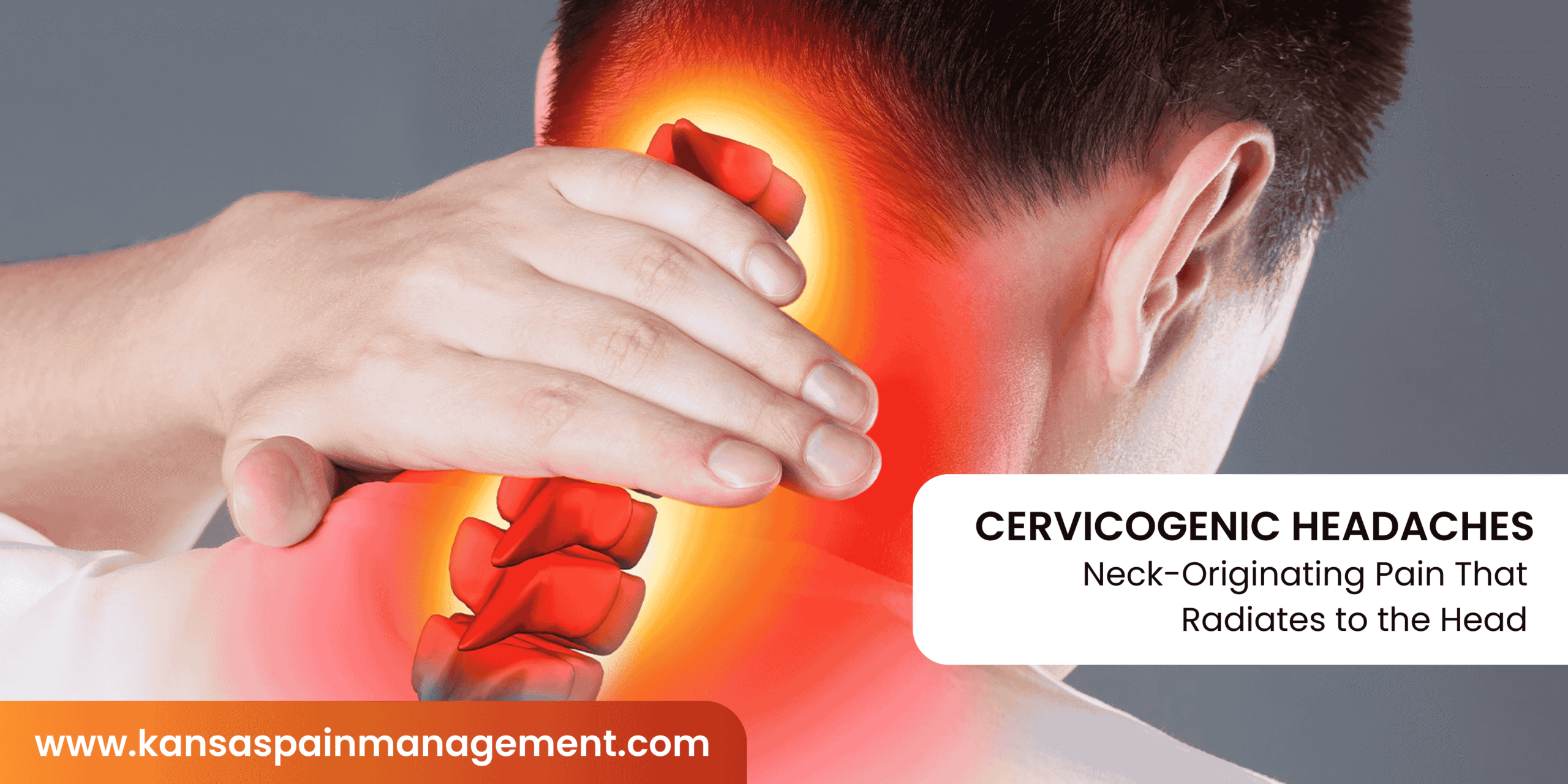
Cervicogenic headaches

What Causes Cervicogenic Headaches?
Cervicogenic headaches are typically caused by underlying neck problems or injuries that affect pain-sensitive structures in the cervical spine (especially the upper neck).
Common Causes
- Neck arthritis or degenerative cervical changes
- Herniated or degenerative discs in the neck
- Whiplash or neck trauma from accidents
- Pinched or irritated cervical nerves
- Poor posture or prolonged neck strain (e.g., desk work)
Although cervicogenic headaches can happen at any age, they often begin after age 30.
Symptoms — How Cervicogenic Headache Feels
Common Symptoms
- Pain that starts in the back or base of the head and may spread to the forehead, temples, or behind the eye
- Pain that is usually on one side and may stay on that side
- Pain triggered or worsened by neck movement or posture
- Pain that increases with coughing, sneezing, or awkward positions
- Sometimes sensitivity to light or nausea (but typically less than true migraines)
How Is It Diagnosed?
- Take a detailed history of your head and neck pain patterns
- Perform a neck and neurological exam
- Evaluate whether neck movement or pressure reproduces your headache
- Order imaging tests (such as X-ray, MRI, or CT) to assess the cervical spine
- Sometimes use diagnostic nerve blocks to confirm the neck as the pain source
Treatment Options
Conservative & First-Line Care
Most people begin with conservative measures:
Physical Therapy
Physical therapy focuses on improving neck muscle strength, flexibility, and posture to reduce nerve irritation.
Lifestyle Changes
- Posture corrections (e.g., ergonomic work setup)
- Neck stretches and mobility exercises
- Ice or heat to soothe muscle tension
These therapies often produce substantial improvement when done consistently.
Medications
Pain relief and muscle relaxants can help manage discomfort, such as:- NSAIDs (e.g., ibuprofen, naproxen)
- Muscle relaxants
- Nerve pain medications (gabapentin, pregabalin)
- Certain antidepressants (for pain modulation)
Interventional Procedures
For persistent pain that doesn’t respond to conservative care, targeted interventions may be recommended:
Nerve Blocks
Injecting a numbing agent and/or steroid near affected cervical nerves can reduce pain and inflammation.
Radiofrequency Ablation (RFA)
A minimally invasive procedure that disrupts pain signals from specific cervical nerves.
Surgery (Rare)
Surgery is only considered when structural neck issues (like severe nerve compression) clearly contribute to symptoms and other treatments haven’t helped.
Prognosis — What to Expect
When to Seek Immediate Care
- Headache following a recent head or neck injury
- Sudden severe headache unlike your usual pain
- Weakness, numbness, difficulty speaking, or vision changes
- Fever with headache and neck stiffness — could signal infection
FAQs
No. A cervicogenic headache originates in the neck and often worsens with neck movement, whereas migraines are neurologically based and frequently include nausea and light sensitivity.
Yes — poor posture, especially when sitting or using devices, can strain the neck and trigger headaches.
Physical therapy won’t “cure” the condition alone, but improving neck strength and mobility often significantly reduces headache frequency and severity.
Why Choose Kansas Pain Management?
Our multidisciplinary team is dedicated to providing personalized care, utilizing the latest advancements in pain management to improve your quality of life. From diagnosis to treatment, we are committed to guiding you through every step of your journey toward relief.
📞 Schedule a consultation today to learn more about your headache treatment options.
If you’re experiencing persistent headaches that may be originating from your neck, contact Kansas Pain Management to schedule a comprehensive evaluation. Our experts are here to help you find effective relief and regain control of your life.
Schedule a Consultation Today
Kansas Pain Management offers a comprehensive pain treatment plan that is tailored to each patient’s specific needs. The first step is a thorough evaluation, which includes a medical history, physical examination, and diagnostic testing, if necessary.
Treatment options may include medications, physical therapy, injections, or surgery, depending on the underlying cause of the pain.
Kansas Pain Management also offers a range of minimally invasive procedures to help alleviate pain and restore function. With board-certified and fellowship-trained physicians, Kansas Pain Management is committed to providing the highest quality care for patients suffering from pain. You can book an appointment with us at Overland Park, Lawrence, Leavenworth/Lansing, Roeland Park, etc. We also serve nearby locations like Ottawa, Missouri, Topeka, Belton, Manhattan, Lee’s Summit, Johnson County & Kansas areas.
FAQs
Symptoms include pain that starts at the back of the head and radiates to the front, one-sided head pain, reduced neck motion, shoulder or arm pain, and sometimes sensitivity to light or sound.
Common causes include degenerative disc disease, facet joint dysfunction, herniated cervical discs, and whiplash injuries.
Diagnosis involves a detailed medical history, physical examination, diagnostic imaging (MRI or CT scans), and sometimes diagnostic nerve blocks to confirm the source of pain.
Conservative therapies include physical therapy to strengthen neck muscles and improve posture, as well as medications like NSAIDs and muscle relaxants to reduce inflammation and tension.
Yes, Botox injections may be considered for patients whose muscle spasticity contributes to headaches.