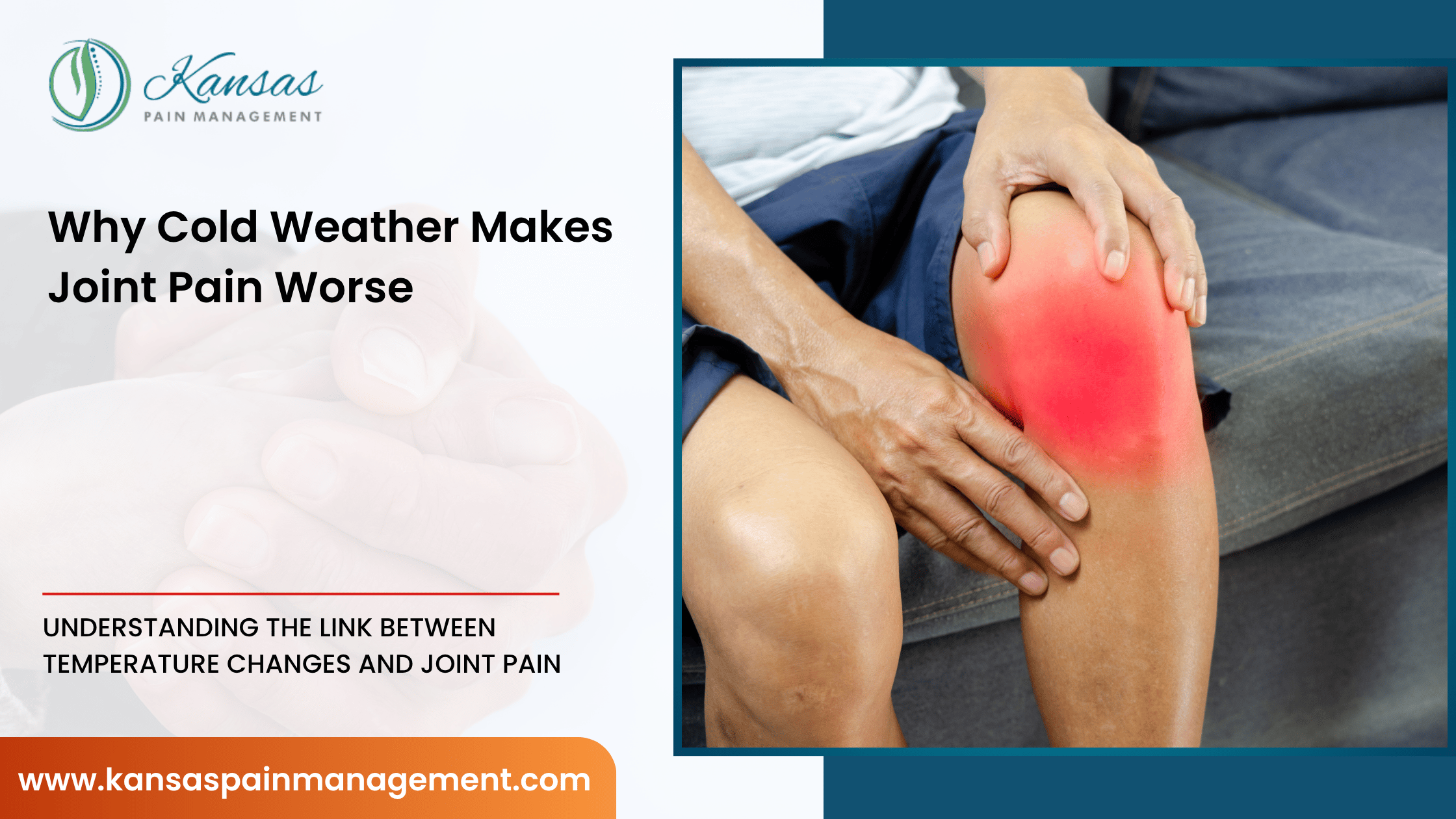
Many people notice their joints feel stiffer, achier, and more painful during the colder months — especially throughout Kansas winters.
At Kansas Pain Management, patients across Kansas City, Overland Park, and Lawrence frequently report worsening arthritis pain, back pain, knee pain, and joint stiffness when temperatures drop.
While cold weather does not directly “cause” arthritis or chronic pain conditions, it can worsen symptoms and increase discomfort for many individuals.
Why Do Joints Hurt More in Cold Weather?
Several factors may contribute to increased joint pain during colder temperatures.
Changes in Barometric Pressure
One of the most common explanations involves barometric pressure — the pressure in the atmosphere around us.
When weather systems change and pressure drops:
- Tissues around joints may expand slightly
- Inflamed areas can become more sensitive
- Joint stiffness may increase
- Existing arthritis pain may worsen
This is why many patients notice pain flare-ups before storms or during major weather changes.
Cold Temperatures Cause Muscle Tightness
Cold weather often causes muscles, tendons, and ligaments to tighten.
This reduced flexibility can:
- Increase joint stiffness
- Reduce mobility
- Place more stress on painful joints
- Worsen neck and back pain
- Trigger muscle spasms
Patients often feel especially stiff in the morning or after spending time outdoors in cold conditions.
Reduced Physical Activity During Winter
Many people become less active during colder months.
Unfortunately, reduced movement may worsen:
- Joint stiffness
- Muscle weakness
- Arthritis symptoms
- Back pain
- Overall mobility
Regular movement helps lubricate joints and maintain flexibility. When activity levels decrease, pain and stiffness may increase.
Arthritis and Cold Weather
Cold weather commonly worsens symptoms in patients with:
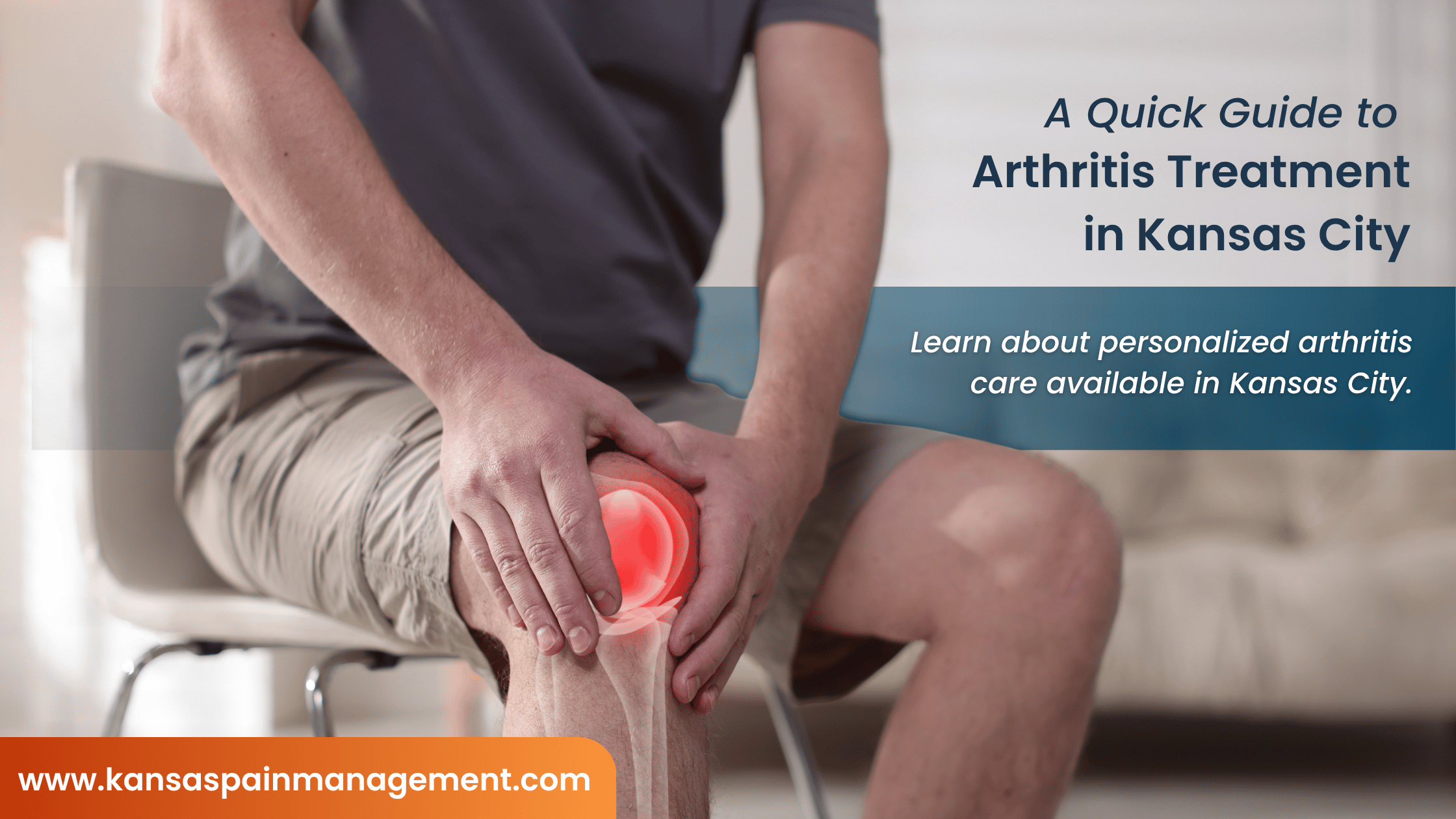
- Osteoarthritis
- Rheumatoid arthritis
- Degenerative joint disease
- Chronic back pain
- Facet joint syndrome
- Sacroiliac (SI) joint dysfunction
Patients may experience:
- Aching joints
- Swelling
- Stiffness
- Reduced flexibility
- Pain with movement
Knees, hips, hands, shoulders, and the spine are especially vulnerable during winter.
Why Chronic Pain Feels Worse in Winter
Chronic pain conditions often involve both inflammation and nervous system sensitivity.
Cold weather may:
- Increase nerve sensitivity
- Reduce circulation
- Tighten muscles
- Increase inflammation perception
- Make existing pain more noticeable
Patients with chronic neck pain, nerve pain, and back pain often report increased discomfort during Kansas winters.
Common Winter Joint Pain Symptoms
Symptoms may include:
- Morning stiffness
- Aching joints
- Pain during movement
- Reduced flexibility
- Increased back or neck pain
- Muscle tightness
- Difficulty standing after sitting
- Weather-related pain flare-ups
Some patients also notice worsening symptoms during rainy or snowy weather.
How to Reduce Joint Pain During Cold Weather
Several strategies may help reduce winter pain flare-ups.
Stay Active
Gentle movement and exercise help keep joints flexible and muscles strong.
Keep the Body Warm
Warm clothing and heating pads may help relax tight muscles and joints.
Stretch Regularly
Stretching improves mobility and reduces stiffness.
Maintain Good Posture
Poor posture may increase stress on already painful joints.
Stay Hydrated
Hydration supports joint and muscle function.
Avoid Prolonged Sitting
Remaining in one position too long can worsen stiffness and pain.
When to See a Pain Management Specialist
You should seek evaluation if you experience:
- Chronic joint pain
- Persistent stiffness
- Reduced mobility
- Pain interfering with daily activities
- Worsening back or neck pain
- Pain not improving with conservative care
Early treatment may help improve function and reduce long-term complications.
Treatment Options for Chronic Joint Pain
At Kansas Pain Management, our board-certified specialists provide personalized treatment plans for chronic joint and spine pain.
Treatment options may include:
Improves strength, flexibility, posture, and mobility.
Joint and Spine Injections
May help reduce inflammation and pain.
Provides longer-lasting relief for chronic facet joint-related pain.
Minimally Invasive Procedures
Advanced interventional treatments may help reduce chronic pain and improve function.
Lifestyle and Functional Guidance
Movement, exercise, posture correction, and weight management often support long-term joint health.
Don’t Let Winter Pain Limit Your Life
Although cold weather can worsen chronic pain symptoms, proper treatment and lifestyle adjustments may help reduce discomfort and improve mobility throughout the winter months.
If chronic joint pain, arthritis, back pain, or stiffness is affecting your daily life, the specialists at Kansas Pain Management can help create a personalized treatment plan focused on long-term relief.
We proudly serve patients throughout Kansas City, Overland Park, Lawrence, and surrounding Kansas communities.