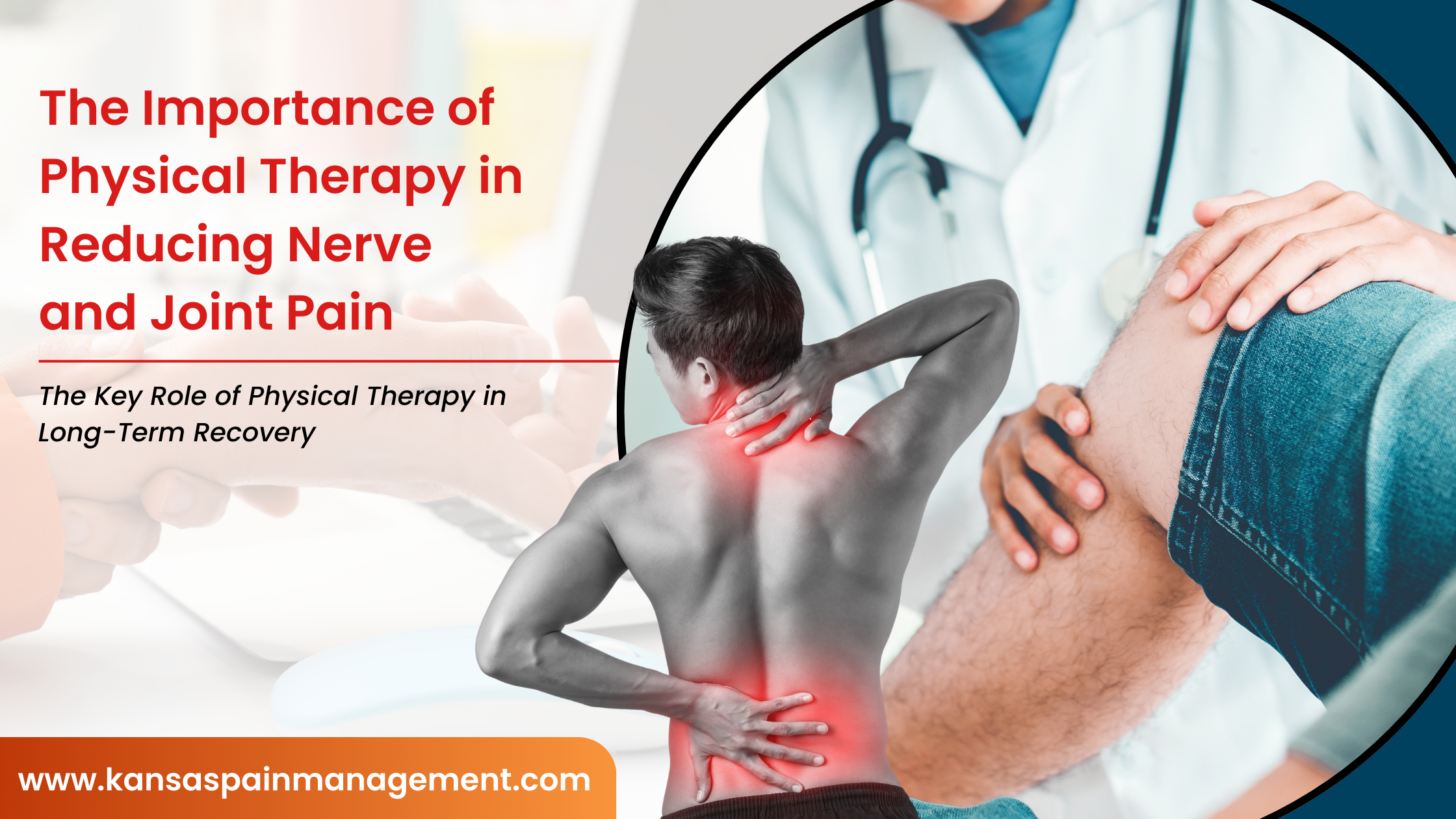

A bulging disc, also called a herniated disc or slipped disc is when one of the discs that cushion the vertebrae in our spine pushes out of its normal spot. These intervertebral discs work like shock absorbers giving the flexibility and stability. When a disc bulges it can press on nerves causing pain, weakness and other symptoms. In this article we will talk about bulging disc, its causes, symptoms and treatment.
Causes of Bulging Discs
Several factors can contribute to the development of a bulging disc. Some common causes include:
- Age-related Degeneration: As we get older the discs in our spine naturally lose water. Become less flexible making them more likely to get damaged and bulge.
- Spinal Trauma: Accidents, falls or sudden impacts can make the discs herniate or bulge which may cause symptoms away or later.
- Poor Posture and Body Mechanics: Sitting or standing with posture for long periods can slowly put too much strain on the spine raising the chance of a disc bulging.
- Repetitive Strain: Doing the motions over and over especially with bad form or ergonomics can lead to disc degeneration and bulging over time.
- Genetic Factors: Some people inherit a tendency to get bulging discs making them more at risk.
Symptoms of Bulging Discs
The symptoms of a bulging disc can vary depending on the location and severity of the condition. Common signs include:
- Back or Neck Pain: A steady, dull ache or sharp pain in the area is common. The pain may get worse when moving, lifting or sitting or standing for a time.
- Radiating Pain: If the bulging disc presses a spinal nerve it can cause pain that travels along the nerve path. For example a bulging disc in the back may lead to sciatica, which shows pain, numbness or tingling that goes down the leg.
- Muscle Weakness and Numbness: Nerve pressure can cause muscle weakness making it hard to move in certain ways. Numbness or tingling may also be felt in the area or along the nerve path.
- Changes in Reflexes: Sometimes a bulging disc can affect reflexes making them weaker or stronger than usual.
Treatment Options for Bulging Discs
- Rest and Activity Modification: Taking a break from activities that make the symptoms worse and using body mechanics can help and aid healing.
- Physical Therapy: Exercises and stretches given by a physical therapist can ease pain improve flexibility and strengthen the muscles around the spine giving better support.
- Pain Management: Over-the-counter nonsteroidal anti-inflammatory drugs (NSAIDs) or prescribed pain medicines can help control pain and reduce inflammation linked to a bulging disc.
- Epidural Steroid Injections: In some cases a steroid shot can be given directly into the affected area to cut inflammation and ease pain.
- Surgical Intervention: Surgery is usually an option if other methods do not relieve symptoms. Procedures such, as discectomy or spinal fusion may be done to remove the bulging part of the disc or to stabilize the spine.
Conclusion:
A bulging disc can cause discomfort and pain affecting a persons quality of life. However with understanding, early diagnosis and suitable treatment people can find relief and manage the condition well. By keeping posture using correct body mechanics and doing regular exercise we can keep the spine healthy and lower the risk of bulging discs. If you have back or neck pain or any related symptoms it is wise to talk to your provider for an accurate diagnosis and a personalized treatment plan.
Read Our Article: All You Need To Know About Spinal Stenosis