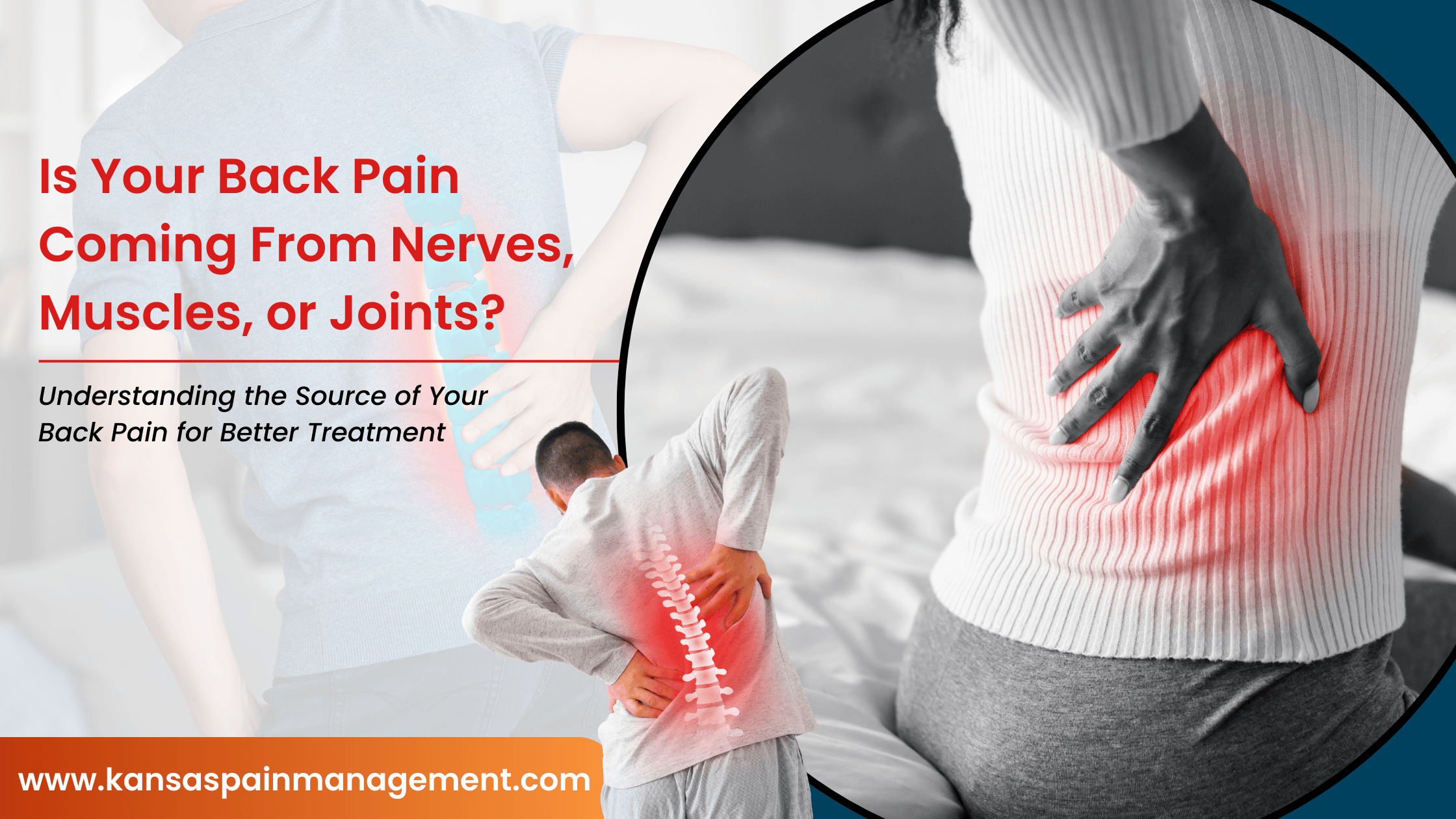

Work-related injuries can disrupt more than your health — they can affect your income, mobility, and quality of life. Whether you were injured lifting, driving, bending, or from repetitive strain, getting the right treatment quickly is essential.
At Kansas Pain Management, we provide specialized care for injured workers across Kansas, focusing on accurate diagnosis, non-surgical treatment options, and safe return-to-work planning.
If you’ve been injured on the job, here’s what you need to know about your pain management options.
Common Work-Related Injuries We Treat
Work injuries often involve the spine and nerves. The most common conditions include:
- Lower back injuries
- Herniated discs
- Spinal stenosis
- Neck injuries and whiplash
- Facet joint pain
- Sciatica
- Shoulder and joint pain
- Repetitive strain injuries
Even minor injuries can turn into chronic pain if not treated properly.
Understanding Kansas Workers’ Compensation and Pain Care
In Kansas, workers injured on the job may qualify for Workers’ Compensation benefits, which typically cover:
- Medical treatment
- Diagnostic imaging
- Pain management procedures
- Physical therapy
- Prescription medications
Early evaluation by a pain specialist can help ensure:
- Accurate documentation
- Appropriate treatment planning
- Faster recovery timelines
- Reduced long-term disability risk
Non-Surgical Pain Management Options
Most injured workers do not require surgery. Interventional pain management focuses on targeted, minimally invasive treatments.
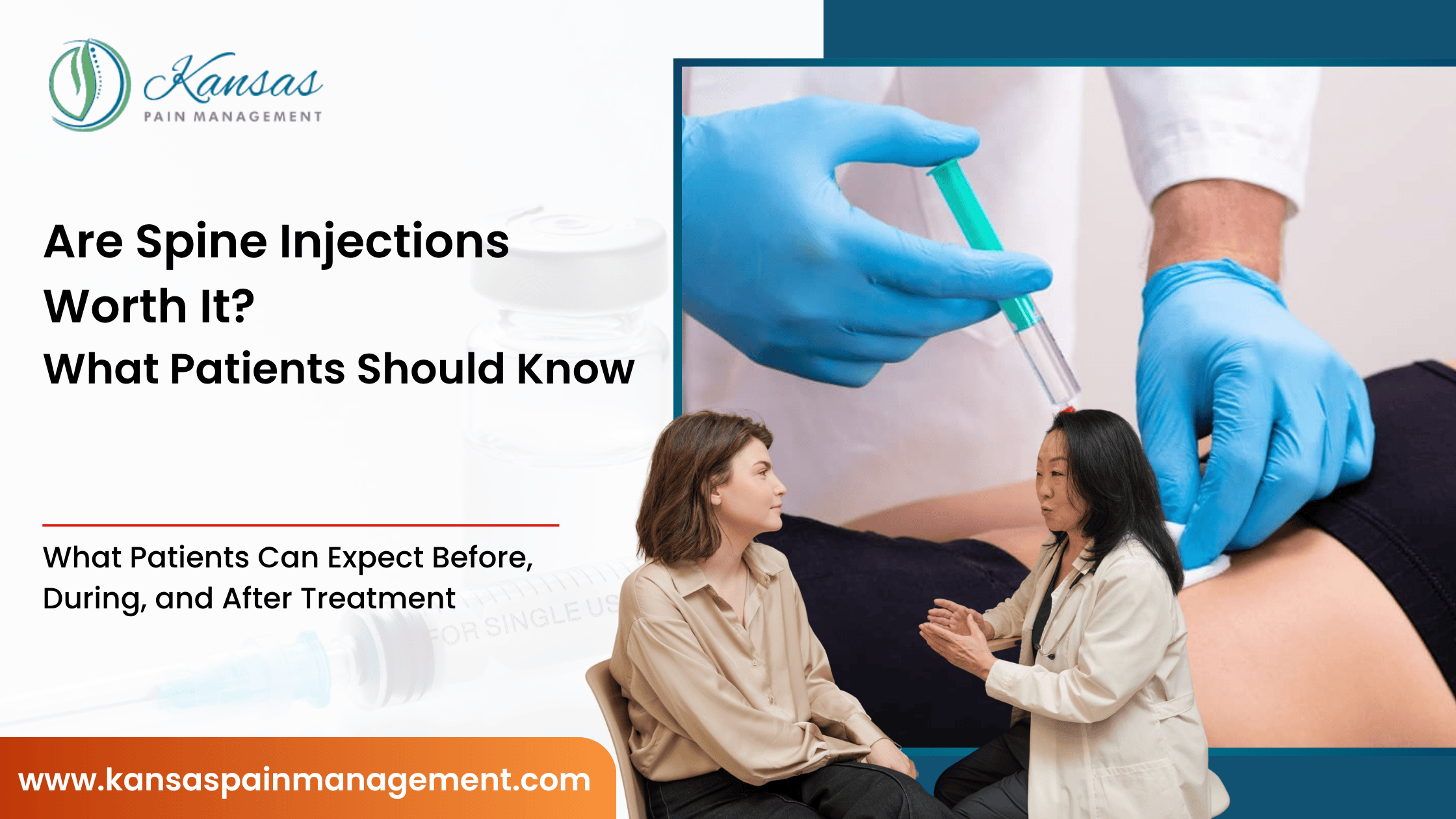
1. Epidural Steroid Injections
Used to reduce inflammation around irritated spinal nerves.
2. Facet Joint Injections
Helpful for pain caused by spine joint injury or arthritis.
3. Medial Branch Blocks
Diagnostic and therapeutic injections to identify facet-related pain.
4. Radiofrequency Ablation (RFA)
Provides longer-lasting relief for confirmed nerve-related pain.
5. Trigger Point Injections
Used for muscle-related injuries and repetitive strain pain.
These treatments aim to:
- Reduce pain
- Improve function
- Support safe return to work
- Avoid unnecessary surgery
When Should You See a Pain Specialist?
You should consider referral if:
- Pain lasts longer than 4–6 weeks
- Physical therapy hasn’t helped
- Pain radiates into arms or legs
- Standing, walking, or sitting worsens symptoms
- Imaging shows disc or joint damage
Early intervention can prevent chronic pain patterns.
Returning to Work Safely
The goal of interventional pain management is not just relief — it’s restoration of function.
At Kansas Pain Management, treatment plans are designed to:
- Improve mobility
- Reduce medication dependence
- Provide objective diagnostic findings
- Coordinate with case managers and referring providers
Clear communication and documentation are essential in Workers’ Comp cases.
Why Choose Kansas Pain Management for Work Injuries?
- Experienced in Workers’ Compensation cases
- Precise diagnostic approach
- Minimally invasive procedures
- Focus on evidence-based treatment
- Commitment to safe, timely return to work
Work injuries require structured, medically sound care — not just temporary pain relief.
Schedule an Evaluation
If you were injured at work and are struggling with ongoing pain, the team at Kansas Pain Management can help determine the source of your symptoms and outline appropriate treatment options.
Early treatment leads to better long-term outcomes.