How Cutting-Edge Techniques Are Changing Pain Relief
Pain care is evolving rapidly—and one of the most exciting advancements is the rise of minimally invasive procedures. These treatments can provide powerful pain relief with less risk, shorter recovery times, and reduced need for opioids or traditional surgery.
In 2025, pain management specialists are increasingly integrating these state-of-the-art procedures into clinical care to help patients return to daily life faster and with greater comfort.
What Does “Minimally Invasive” Mean?
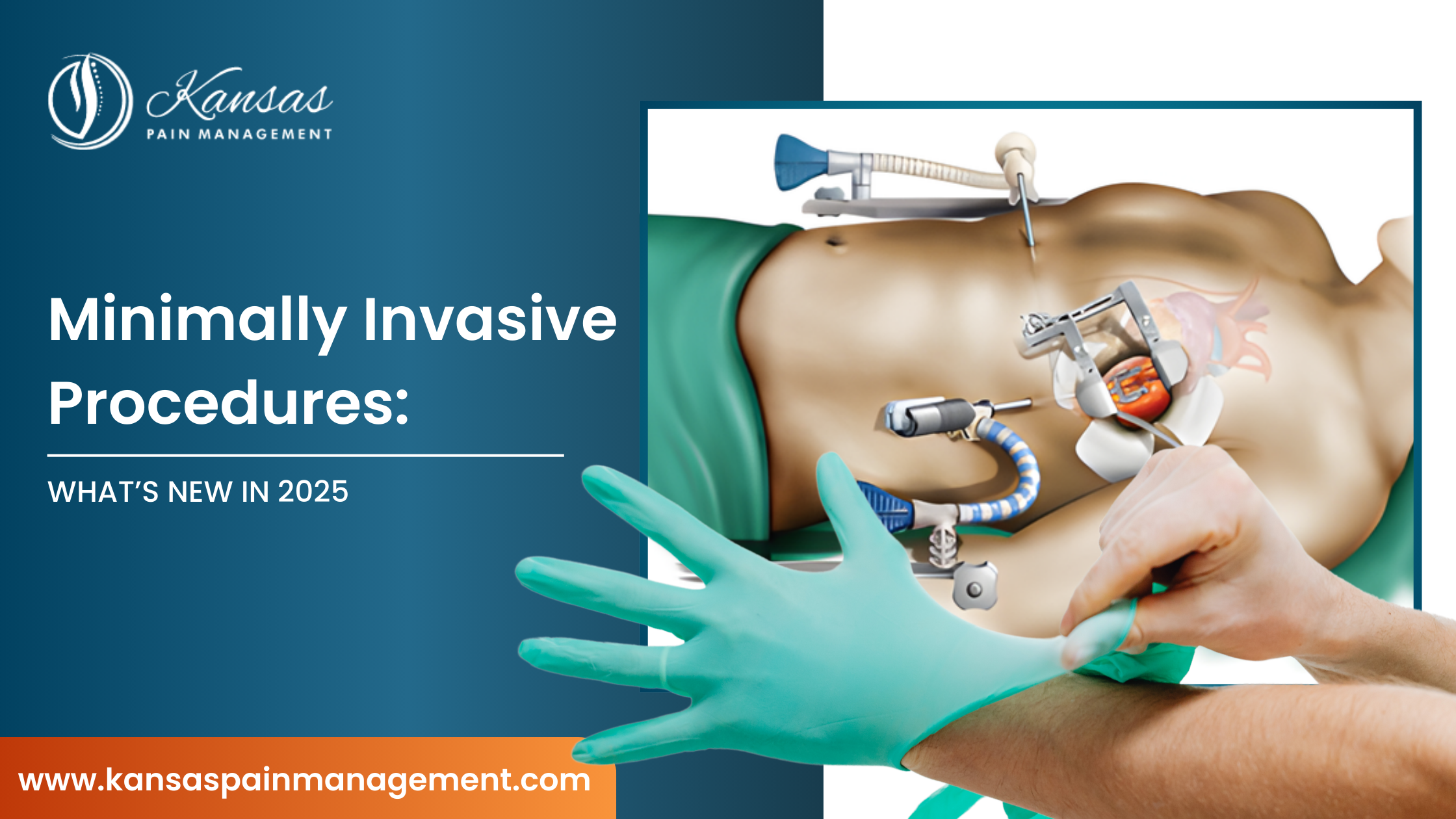
In pain management, minimally invasive procedures involve therapies performed through tiny incisions or with needle-based techniques that reduce tissue trauma, speed recovery, and often avoid general anesthesia. Unlike open surgery, these treatments aim to target pain at the source without large cuts or long hospital stays.
Top Advancements in 2025
1. Endoscopic Spine Procedures
One of the most significant trends in pain care is the growth of endoscopic spine techniques—like endoscopic discectomy and rhizotomy—which allow surgeons to access spinal structures through small incisions using a tiny camera and specialized tools. These procedures can relieve chronic back conditions such as herniated discs and facet joint pain with less tissue damage and faster healing. Early research shows that such procedures can also reduce the need for pain medications after surgery, including opioids.
2. Advanced Neuromodulation Technologies
Neuromodulation—using electrical impulses to alter nerve signals—continues to evolve. New closed-loop spinal cord stimulators and dorsal root ganglion (DRG) stimulation systems are now more precise and adaptive, delivering tailored pain control and improving outcomes for conditions like complex regional pain syndrome (CRPS) and chronic back pain.
3. Targeted Radiofrequency Ablation
Radiofrequency ablation (RFA) remains a cornerstone of minimally invasive pain care. In 2025, improved imaging and guided techniques have enhanced precision, allowing clinicians to target specific nerves more effectively and safely to provide long-lasting relief—especially for back, neck, and joint pain.
4. Genicular Artery Embolization for Knee Pain
A newer outpatient procedure gaining traction is genicular artery embolization (GAE)—an image-guided technique used to relieve chronic knee pain from osteoarthritis by reducing abnormal blood flow that fuels inflammation. Patients typically go home the same day and return to activity within days.
5. Epidural Lysis of Adhesions
Also known as percutaneous adhesiolysis, this minimally invasive method dissolves scar tissue that may be trapping nerves and causing persistent spinal pain after previous surgeries. It can improve the effectiveness of injected medications and relieve symptoms with minimal downtime.
6. Enhanced Image-Guided Precision
Advanced imaging—such as 3D fluoroscopy, real-time ultrasound, and AI-enhanced scans—is improving the accuracy and safety of minimally invasive procedures. These technologies help practitioners visualize anatomy clearly, ensuring more precise delivery of treatments like nerve blocks and ablations.
Why These Innovations Matter
Minimally invasive pain procedures offer major benefits for patients, including:
✔ Reduced recovery times and less downtime
✔ Lower risk compared with traditional surgery
✔ Less post-procedure pain and scarring
✔ Decreased reliance on opioid medications
✔ Many procedures performed outpatient or with local anesthesia
These advances mean that more patients can find lasting relief with less disruption to their lives.
Who Can Benefit?
Minimally invasive procedures may help patients with:
- Chronic back or neck pain
- Sciatica
- Joint pain from arthritis
- Nerve-related pain syndromes
- Pain after prior surgeries
- Conditions not improved by conservative treatments
A pain specialist can determine if one of these innovative options is right for you based on your symptoms, imaging, and medical history.
Looking Ahead
As technologies continue to improve—and with ongoing integration of AI, enhanced imaging, and next-generation devices—minimally invasive pain care will only become safer, more precise, and more effective. Whether you’re struggling with chronic pain or seeking alternatives to traditional surgery, 2025 offers more options than ever before.
At Kansas Pain Management, we’re dedicated to providing the latest, evidence-based, minimally invasive treatments tailored to your needs. Contact us today to learn which advanced options may help you find relief.