Blog
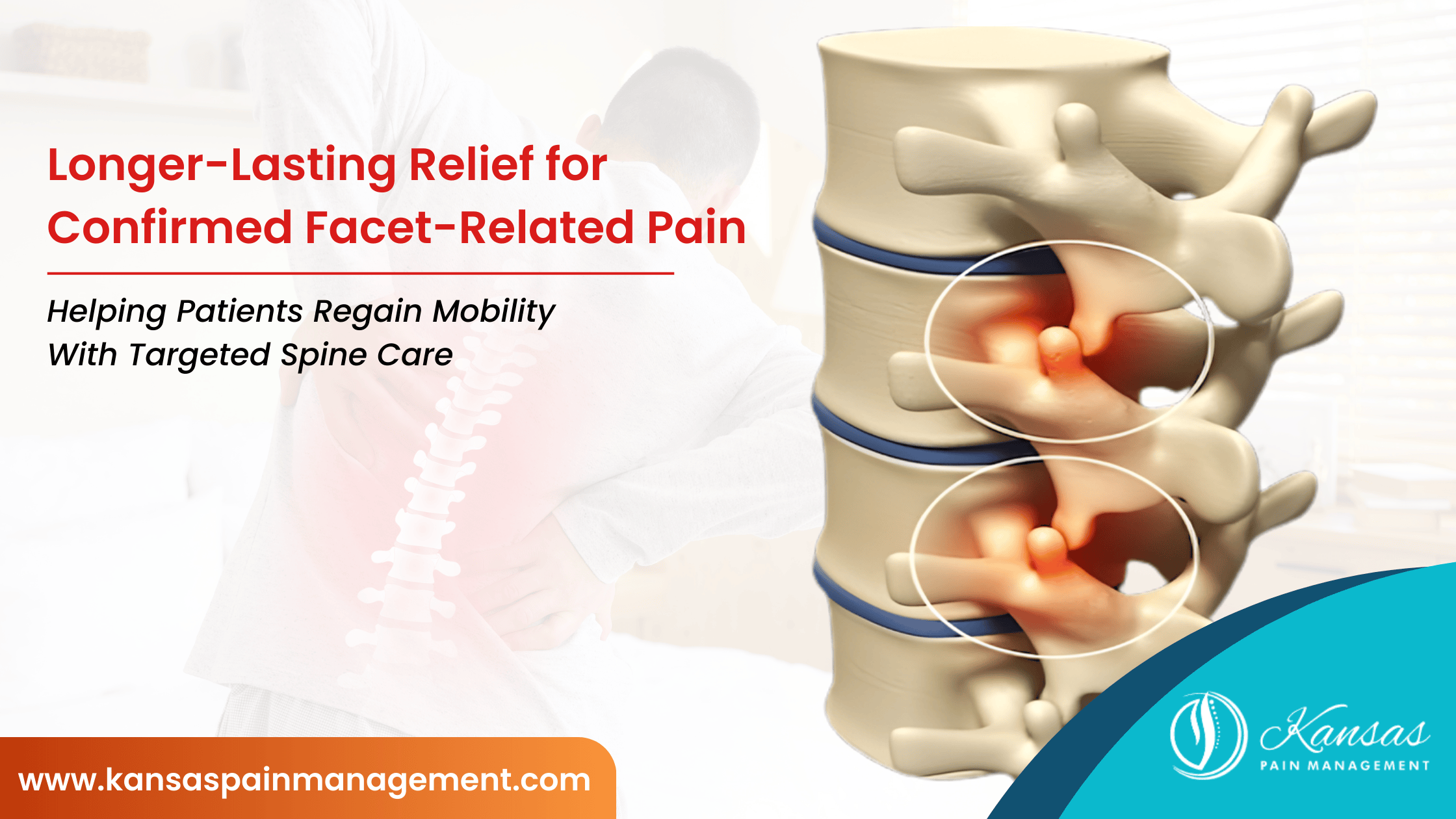
Chronic back or neck pain can significantly affect daily life, especially when the source of the pain is the facet joints in the spine. These

Chronic back or neck pain can significantly affect daily life, especially when the source of the pain is the facet joints in the spine. These

Chronic pain affects millions of Americans — but long-term opioid use is no longer the first choice for treatment. National guidelines, including those from the
Artificial Intelligence (AI) is rapidly transforming healthcare — and pain management is no exception. From personalized treatment plans to predictive pain monitoring, AI is changing
Chronic pain is not just a physical condition — it is deeply connected to mental and emotional health. For many patients in Kansas, anxiety, poor
Chronic pain can affect every aspect of life — sleep, work, mood, and mobility. For years, opioid medications were commonly prescribed for long-term pain relief.
Staying active is important — whether you enjoy golf, running, lifting, cycling, or simply keeping up with daily responsibilities. But spine pain can quickly interfere

Work-related injuries can disrupt more than your health — they can affect your income, mobility, and quality of life. Whether you were injured lifting, driving,
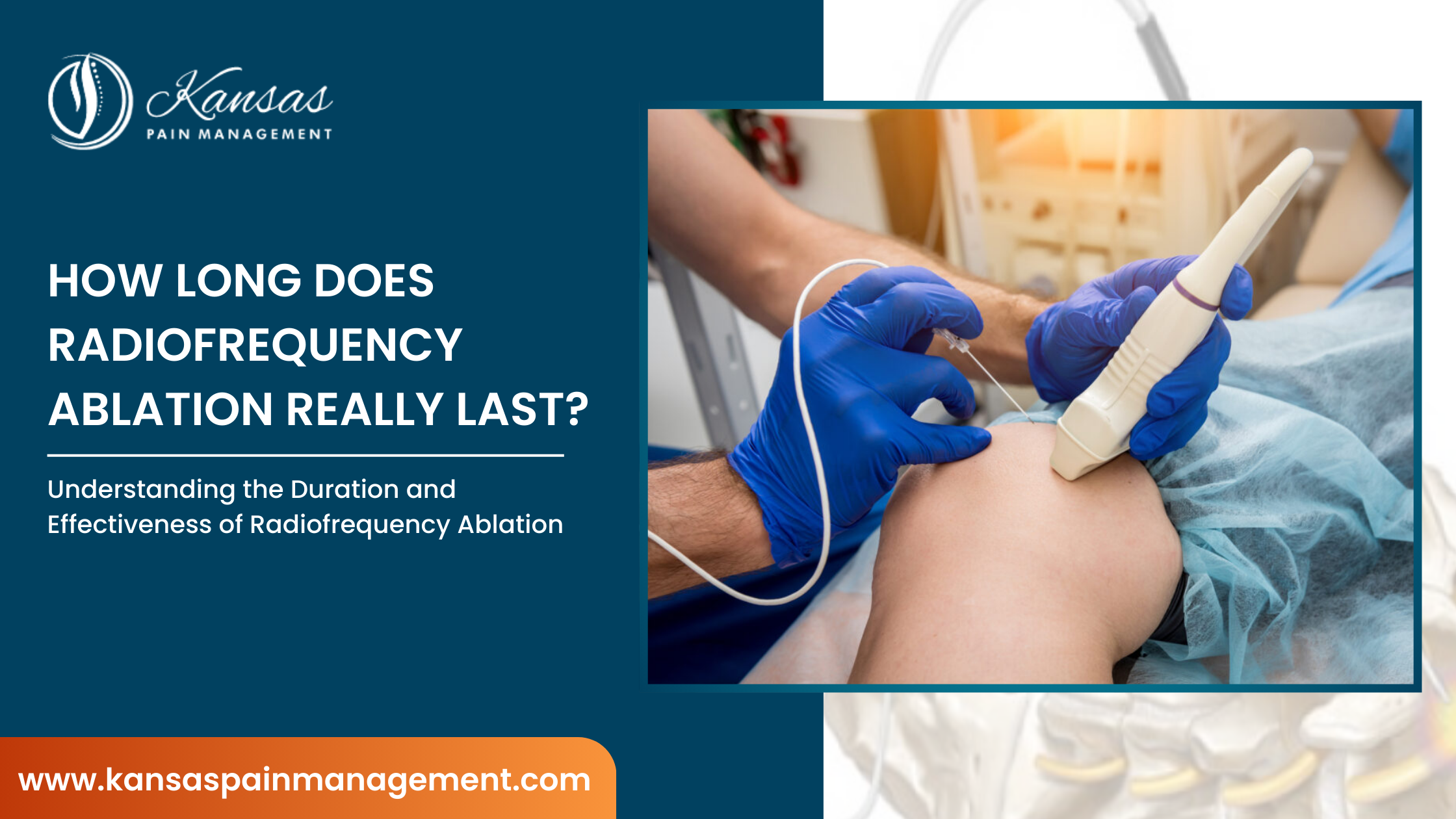
Radiofrequency Ablation (RFA) is one of the most effective non-surgical treatments for chronic spine pain. But one of the most common questions patients ask at
A workplace injury can feel overwhelming. Between pain, paperwork, and pressure to return to work, many injured workers feel stuck — physically and emotionally. At

Managing pain after a workplace injury can be challenging — especially when opioid medications are involved. Injured workers often wonder: Are opioids allowed under Kansas