
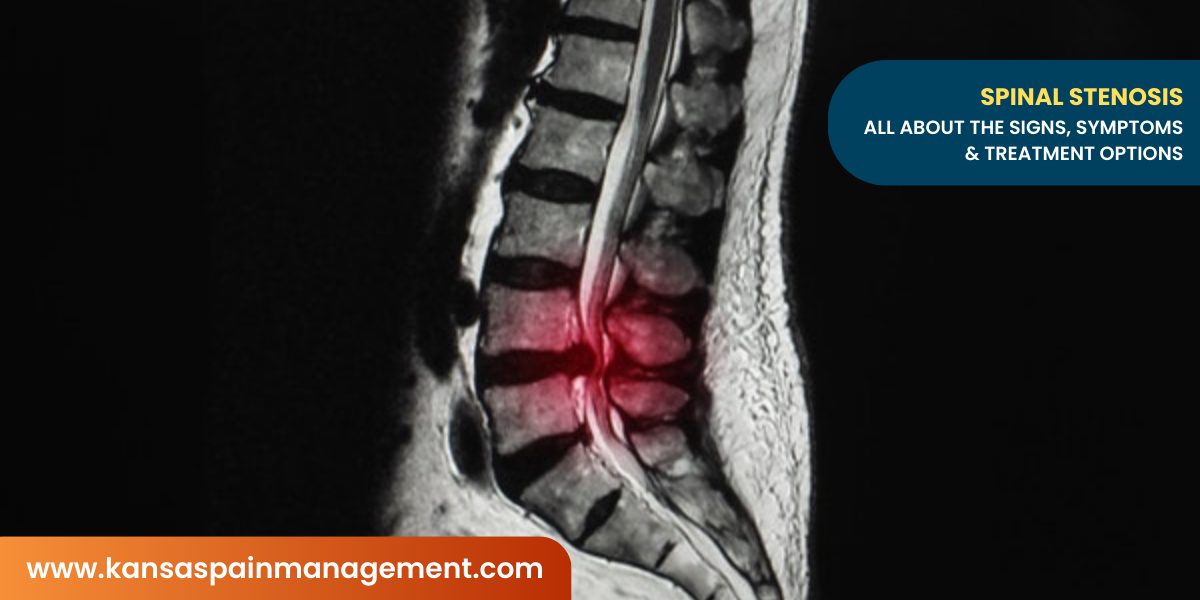
Spinal Stenosis

What Causes Spinal Stenosis?
Degenerative Changes
- Osteoarthritis — cartilage breakdown leads to bone spur formation
- Thickened ligaments in the spine
- Degenerative disc disease — discs lose height and bulge, narrowing space
Herniated Discs
A disc that protrudes or ruptures can press on nearby nerves.Trauma or Injury
Fractures, falls, or sudden injuries can alter spinal structure.Congenital Spinal Narrowing
Some individuals are born with a smaller spinal canal and become symptomatic sooner.Other Conditions
- Tumors
- Spinal infections
- Thickened ligaments or scar tissue
Symptoms of Spinal Stenosis
Lumbar (Lower Back) Spinal Stenosis
- Back pain
- Leg pain or cramping with walking (claudication)
- Numbness or tingling in the buttocks, legs, or feet
- Pain that eases when bending forward or sitting
- Weakness or balance difficulty
Cervical (Neck) Spinal Stenosis
- Neck pain
- Radiating pain into the shoulders, arms, or hands
- Numbness or tingling in arms or hands
- Weakness
- Loss of fine motor skills in hands
How Is Spinal Stenosis Diagnosed?
Medical History & Physical Exam
Your clinician will evaluate symptoms, posture, range of motion, and neurological function.Imaging Tests
- X‑rays — evaluate bone structure and alignment
- MRI scans — visualize nerves, discs, and spinal canal narrowing
- CT scans — detailed bone images
- Myelogram (sometimes) — contrast imaging to highlight nerve compression
Treatment Options for Spinal Stenosis
Conservative & Lifestyle Approaches
Most people start with non‑surgical strategies: Activity Modification & Education- Adjust activities that worsen symptoms
- Use proper body mechanics for walking or standing
- NSAIDs (reduce inflammation)
- Pain relievers for symptom control
Physical Therapy
Therapy builds strength and flexibility in back, core, and leg muscles to support spinal alignment and reduce nerve irritation.Interventional Pain Management
When pain persists despite conservative care, targeted procedures may be recommended: Epidural Steroid Injections Delivered near compressed nerve roots to reduce inflammation and pain. Facet Joint Injections & Medial Branch Blocks Target pain from spinal joints that may contribute to symptoms. Selective Nerve Root Blocks Provide diagnostic and therapeutic benefit.Advanced & Neuromodulation Therapies
For patients with chronic nerve pain: Spinal Cord Stimulation A minimally invasive therapy that alters pain signals before they reach the brain.Surgical Referral
Surgery may be considered when:- Symptoms are severe or progressive
- Conservative and interventional treatments fail
- Pain significantly limits walking or daily function
Prognosis — What to Expect
When to Seek Immediate Care
- Loss of bowel or bladder control
- Severe weakness or sudden numbness
- Progressive neurological symptoms
- New symptoms after injury
FAQs
There’s no “cure” for age‑related narrowing, but symptoms often improve with conservative and interventional therapies. Surgery may be recommended for severe cases.
Bending forward opens up the spinal canal slightly, reducing pressure on the nerve roots and easing symptoms, especially in the lower back.
Yes — nerve compression in the lower spine may lead to weakness, balance issues, or numbness in the legs.
Yes — maintaining flexibility, strong core muscles, and appropriate activity modifications can reduce symptoms and improve function.
Treatment Offered By Kansas Pain Management
Kansas Pain Management offers a comprehensive pain treatment plan that is tailored to each patient’s specific needs. The first step is a thorough evaluation, which includes a medical history, physical examination, and diagnostic testing, if necessary.
Treatment options may include medications, physical therapy, injections, or surgery, depending on the underlying cause of the pain.
Kansas Pain Management also offers a range of minimally invasive procedures to help alleviate pain and restore function. With board-certified and fellowship-trained physicians, Kansas Pain Management is committed to providing the highest quality care for patients suffering from pain. You can book an appointment with us at Overland Park, Lawrence, Leavenworth/Lansing, Roeland Park, etc. We also serve nearby locations like Ottawa, Missouri, Topeka, Belton, Manhattan, Lee’s Summit, Johnson County & Kansas areas.
FAQs
Spinal stenosis can be caused by age-related spine degeneration, herniated discs, arthritis, bone spurs, thicker ligaments, spinal trauma, or genetic predisposition.
The narrowing of the spinal canal compresses the nerves that pass through it, leading to nerve inflammation, pain, and mobility issues.
Symptoms may include pain, numbness, weakness, and reduced mobility due to nerve compression in the spine.
Maintaining a healthy weight, practicing good posture, and avoiding movements that worsen symptoms can help relieve discomfort.
Epidural steroid injections deliver steroids directly into the affected area to reduce inflammation and provide temporary pain relief.
Yes. Many patients find relief with non-surgical treatments, including medications, therapy, and injections before considering surgery.