
Staying active is important — whether you enjoy golf, running, lifting, cycling, or simply keeping up with daily responsibilities. But spine pain can quickly interfere with the lifestyle you value.
The good news? Most neck and back conditions do not require surgery.
At Kansas Pain Management, we help active adults across Kansas find non-surgical, minimally invasive solutions that reduce pain while preserving mobility and function.
If you want relief without major downtime, here’s what you need to know.
Why Active Adults Develop Spine Pain
Even healthy, active individuals can develop spine problems due to:
- Repetitive strain
- Poor lifting mechanics
- Sports-related stress
- Degenerative disc changes
- Facet joint arthritis
- Herniated discs
- Spinal stenosis
Activity itself isn’t the problem — untreated inflammation and nerve irritation are.
Signs You May Not Need Surgery
Surgery is typically considered only when:
- There is severe nerve compression
- Progressive weakness is present
- Conservative treatments fail after extended time
Most cases of spine pain respond well to targeted, non-surgical care.
If you:
- Have pain without major weakness
- Experience flare-ups with activity
- Improve temporarily with rest or therapy
- Want to stay active without major downtime
You are likely a candidate for interventional pain management.
Non-Surgical Treatment Options for Active Adults
1. Epidural Steroid Injections
Reduce inflammation around irritated spinal nerves. Often used for:
- Sciatica
- Herniated discs
- Radiculopathy
2. Facet Joint Injections
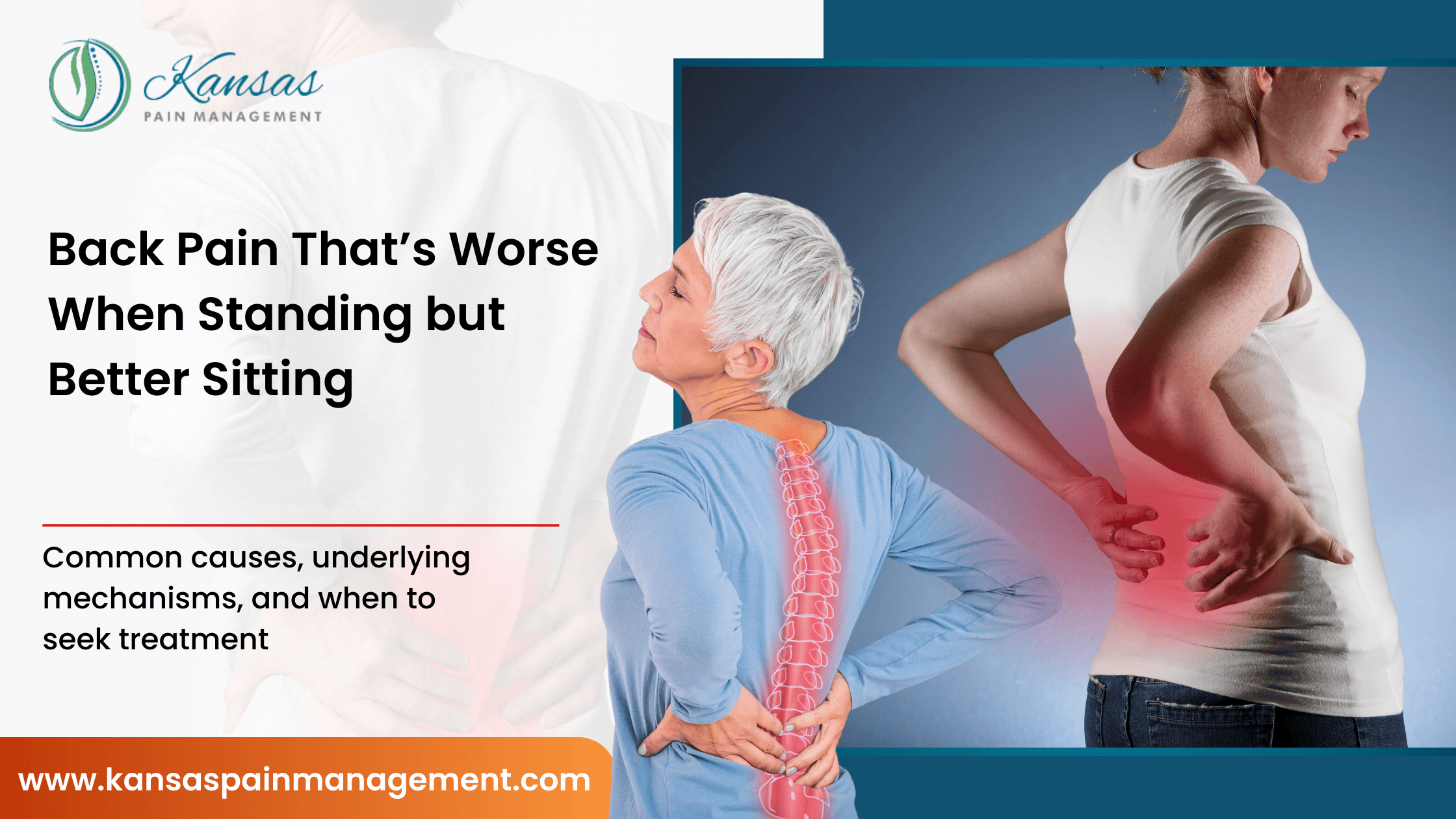
Ideal for pain worsened by standing, twisting, or arching the back.
3. Medial Branch Blocks & Radiofrequency Ablation (RFA)
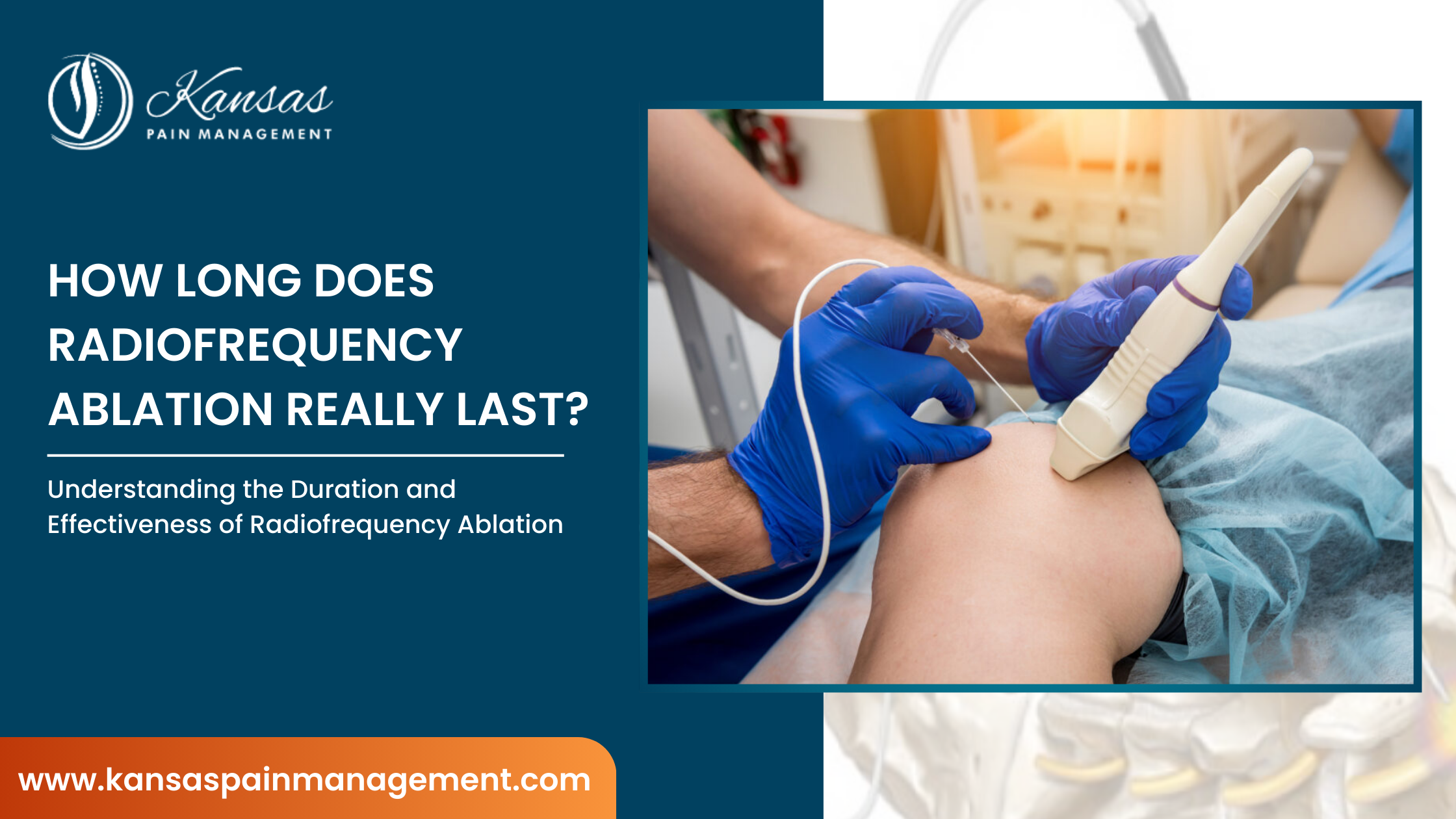
For confirmed facet joint pain, RFA can provide 6–18 months of relief without surgery.
4. SI Joint Injections
Helpful when pain radiates into the buttock or hip region.
5. Customized Spine-Focused Therapy Plans
Procedures are often combined with guided physical therapy to:
- Restore mobility
- Strengthen stabilizing muscles
- Prevent recurrence
Why Avoid Surgery When Possible?
Spine surgery can involve:
- Longer recovery times
- Activity restrictions
- Increased risk of adjacent segment degeneration
- Extended time away from work or sports
For many active adults, minimally invasive procedures provide meaningful relief while maintaining lifestyle flexibility.
When to See a Pain Specialist
Consider evaluation if:
- Pain persists longer than 4–6 weeks
- Activity triggers consistent symptoms
- MRI shows disc or joint degeneration
- Physical therapy alone has not resolved symptoms
- You want alternatives before considering surgery
Early, targeted intervention often leads to better long-term outcomes.
The Goal: Relief Without Slowing Down
At Kansas Pain Management, treatment plans are designed to:
- Reduce inflammation
- Improve function
- Minimize medication dependence
- Avoid unnecessary surgery
- Help you return to the activities you enjoy
Being active shouldn’t mean living in pain.
Schedule a Consultation
If spine pain is limiting your performance or daily life, expert evaluation can help determine the source and outline non-surgical treatment options.
Contact Kansas Pain Management to explore personalized solutions designed for active adults.