
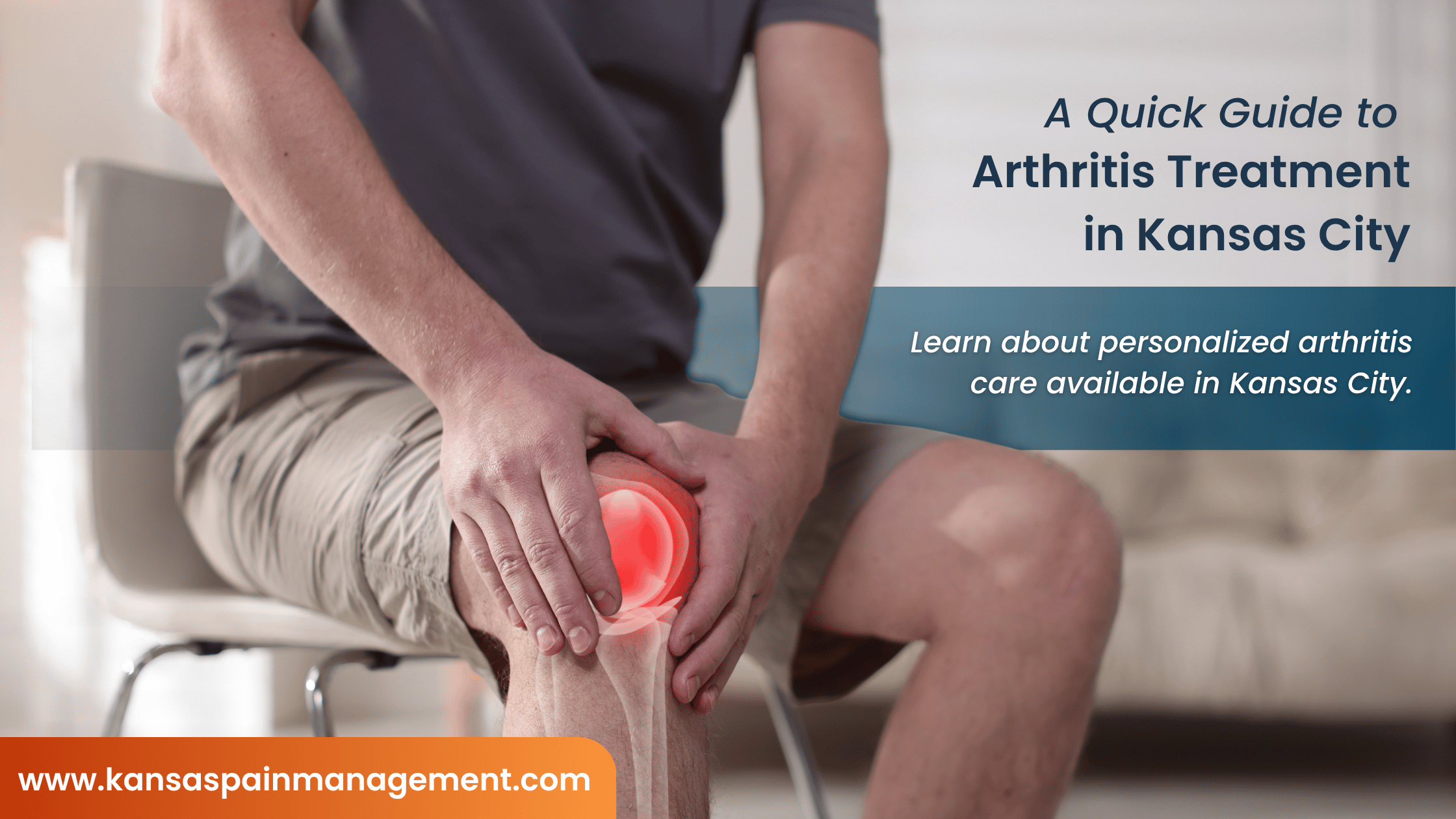
Arthritis affects millions of Americans and is one of the leading causes of joint pain and reduced mobility. Whether it’s your knees, hips, shoulders, hands, or spine, arthritis can make everyday activities like walking, climbing stairs, or even getting out of bed more difficult.
While there is no cure for most forms of arthritis, many people can successfully manage their symptoms with the right combination of treatments. Early diagnosis and personalized care can help reduce pain, improve joint function, and maintain your quality of life.
If you’re looking for arthritis treatment in the Kansas City area, this guide will help you understand your options and when it’s time to seek professional care.
What Is Arthritis?
Arthritis is a general term used to describe inflammation or degeneration of one or more joints. It can affect people of all ages, although it becomes more common as we get older.
More than 100 different types of arthritis exist, but the two most common are:
- Osteoarthritis (OA): The “wear-and-tear” form of arthritis caused by the gradual breakdown of cartilage.
- Rheumatoid Arthritis (RA): An autoimmune condition in which the immune system attacks the lining of the joints.
Other forms include psoriatic arthritis, gout, ankylosing spondylitis, and post-traumatic arthritis.
Common Symptoms of Arthritis
Symptoms vary depending on the type and severity of arthritis, but often include:
- Joint pain
- Stiffness, especially in the morning
- Swelling around the joint
- Reduced range of motion
- Tenderness
- Warmth around the joint
- Difficulty walking or performing daily tasks
- Joint instability in advanced cases
Symptoms may develop gradually or worsen during flare-ups.
Which Joints Are Most Commonly Affected?
Arthritis can occur in almost any joint, but it most commonly affects:
- Knees
- Hips
- Shoulders
- Hands and fingers
- Spine
- Neck
- Feet and ankles
Spinal arthritis may also cause nerve irritation, resulting in pain, numbness, or tingling in the arms or legs.
What Causes Arthritis?
Several factors can increase your risk of developing arthritis, including:
- Aging
- Previous joint injuries
- Family history
- Obesity
- Repetitive joint stress
- Autoimmune diseases
- Certain infections
- Genetics
While some risk factors cannot be changed, maintaining a healthy lifestyle can help reduce stress on your joints.
How Is Arthritis Diagnosed?
Your pain management specialist will begin with a thorough evaluation, which may include:
- Review of your symptoms
- Medical history
- Physical examination
- Assessment of joint movement
- X-rays or MRI scans when appropriate
- Blood tests if an inflammatory arthritis is suspected
A proper diagnosis helps determine the most effective treatment plan.
Non-Surgical Arthritis Treatment Options
Most patients can manage arthritis successfully without surgery.
Lifestyle Modifications
Simple changes can reduce stress on painful joints:
- Maintain a healthy weight
- Stay physically active
- Avoid repetitive joint strain
- Use supportive footwear
- Practice good posture
Even modest weight loss can significantly reduce pressure on weight-bearing joints like the knees and hips.
Physical Therapy
Physical therapy helps:
- Improve flexibility
- Increase muscle strength
- Enhance balance
- Support joint stability
- Reduce pain during movement
A personalized exercise program can improve long-term joint function.
Medication Management
Depending on your symptoms, your provider may recommend:
- Acetaminophen
- Nonsteroidal anti-inflammatory drugs (NSAIDs)
- Topical pain relievers
- Prescription medications
- Disease-modifying medications (for inflammatory arthritis, prescribed by a rheumatologist)
Medication recommendations are based on your medical history and overall health.
Joint Injections
For patients with moderate to severe arthritis pain, injections may provide temporary relief.
Options may include:
- Corticosteroid injections to reduce inflammation
- Hyaluronic acid injections for certain knee arthritis cases
Your physician will discuss whether these treatments are appropriate for you.
If arthritis affects the facet joints of the spine or certain other joints, Radiofrequency Ablation (RFA) may provide longer-lasting pain relief by interrupting pain signals from targeted nerves.
Many patients experience pain relief for several months following the procedure.
In selected cases, Platelet-Rich Plasma (PRP) therapy may be considered as part of a comprehensive treatment plan for certain joint conditions. Your provider can determine whether PRP is appropriate based on your diagnosis and current evidence.
Can Arthritis Be Prevented?
Although arthritis cannot always be prevented, healthy habits may reduce your risk or slow its progression.
Helpful strategies include:
- Maintaining a healthy weight
- Exercising regularly
- Protecting your joints during physical activity
- Avoiding smoking
- Managing chronic health conditions
- Treating joint injuries promptly
These habits also support overall joint health and mobility.
When Should You See a Pain Management Specialist?
You should consider scheduling an evaluation if:
- Joint pain lasts longer than a few weeks
- Pain interferes with daily activities
- Over-the-counter medications are no longer effective
- You experience joint swelling or stiffness
- Walking becomes difficult
- Your symptoms continue to worsen
- Joint pain is affecting your sleep
Early treatment may help preserve joint function and improve your quality of life.
Why Choose Kansas Pain Management?
At Kansas Pain Management, we understand that arthritis affects every patient differently. Our board-certified pain specialists develop personalized treatment plans based on your symptoms, lifestyle, and goals.
We offer advanced diagnostic evaluations and a wide range of non-surgical treatment options to help reduce pain, improve mobility, and support long-term joint health.
Whether you’re experiencing arthritis in your knees, hips, shoulders, or spine, our team is committed to helping you stay active and comfortable.
Frequently Asked Questions
Can arthritis be cured?
Most types of arthritis cannot be cured, but many can be effectively managed with medications, physical therapy, lifestyle changes, and interventional pain treatments.
Is exercise safe if I have arthritis?
Yes. Low-impact activities such as walking, swimming, cycling, and stretching can improve joint flexibility and reduce stiffness. Your healthcare provider or physical therapist can recommend exercises that are appropriate for your condition.
Will I eventually need joint replacement surgery?
Not necessarily. Many patients manage arthritis successfully with conservative treatments for years. Surgery is generally considered only when other treatment options no longer provide adequate relief.
Is arthritis just a normal part of aging?
While arthritis becomes more common with age, persistent joint pain should not be considered a normal part of getting older. Proper evaluation and treatment can help reduce symptoms and improve function.


