
A pinched nerve in the neck can cause more than just local discomfort—it often leads to radiating pain, numbness, or weakness that travels into the shoulder, arm, or hand.
If your symptoms aren’t improving with rest or basic treatments, it may be time to consider more targeted options like image-guided injections.
At Kansas Pain Management, we specialize in diagnosing and treating nerve-related pain using non-surgical, minimally invasive techniques.
What Is a Pinched Nerve in the Neck?
A pinched nerve occurs when a nerve in the cervical spine (neck) becomes compressed or irritated.
Common Causes:
- Herniated or bulging discs
- Bone spurs (arthritis)
- Degenerative disc disease
- Spinal stenosis
- Poor posture or repetitive strain
👉 This condition is often referred to as cervical radiculopathy.
Symptoms of a Pinched Nerve
Symptoms can vary depending on the affected nerve but commonly include:
- Neck pain or stiffness
- Pain radiating into the shoulder or arm
- Tingling or “pins and needles” sensation
- Numbness in the arm or hand
- Muscle weakness
- Pain that worsens with certain movements
👉 Many patients notice symptoms increase with looking down, turning the head, or prolonged sitting.
When Symptoms May Improve on Their Own
Some cases resolve with conservative care, especially if the irritation is mild.
Initial Treatments Include:
- Rest and activity modification
- Physical therapy
- Anti-inflammatory medications
- Posture correction
When to Consider Injections
If symptoms persist or worsen, injections may be the next step.
You may be a candidate if:
- Pain lasts more than 4–6 weeks
- Symptoms are not improving with therapy or medications
- Pain radiates into the arm
- Numbness or tingling continues
- Daily activities are affected
- You want to avoid surgery
Types of Injections for Pinched Nerves
At Kansas Pain Management, injections are performed using image guidance for precision and safety.
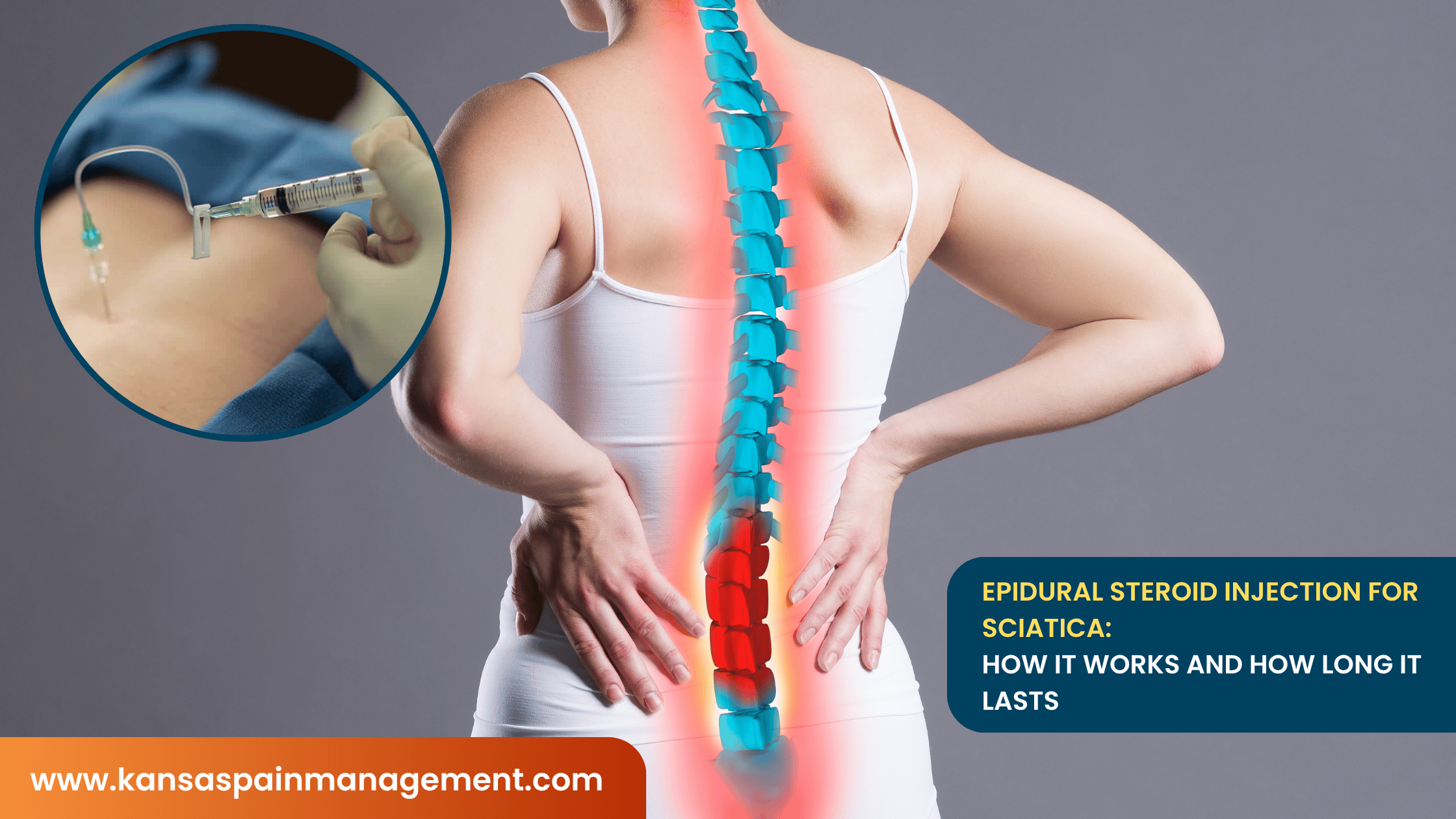
1. Cervical Epidural Steroid Injection
This is one of the most common treatments.
How it works:
- Anti-inflammatory medication is delivered near the affected nerve
- Reduces swelling and irritation
Benefits:
- Relieves nerve pain
- Improves mobility
- Can delay or avoid surgery
2. Selective Nerve Root Block
This injection targets a specific nerve root.
Used for:
- Diagnosing the exact source of pain
- Providing targeted relief
3. Facet Joint Injections
If joint inflammation is contributing to nerve irritation:
- Reduces inflammation in facet joints
- May improve neck movement and reduce pain
Benefits of Injection-Based Treatment
- Minimally invasive
- Outpatient procedure
- Quick recovery
- Targeted pain relief
- Reduced reliance on medications
👉 Many patients experience significant improvement within days to weeks.
When to Seek Immediate Medical Attention
While most cases are not emergencies, seek urgent care if you experience:
- Severe or worsening weakness
- Loss of coordination
- Difficulty using your arm or hand
- Sudden, severe pain
What Happens If You Delay Treatment?
Ignoring a pinched nerve may lead to:
- Persistent or worsening pain
- Increased nerve irritation
- Muscle weakness
- Reduced function
👉 Early treatment can prevent progression and improve outcomes.
Personalized Care at Kansas Pain Management
Every patient’s condition is different. At Kansas Pain Management, we:
- Identify the exact source of nerve compression
- Use diagnostic tools to confirm the cause
- Create a personalized, step-by-step treatment plan
Get Relief From Nerve Pain
A pinched nerve in the neck can significantly impact your quality of life—but effective, non-surgical treatments are available.
If your symptoms aren’t improving, targeted injections may provide the relief you need.
Schedule a Consultation
Contact Kansas Pain Management to learn more about advanced treatment options for neck and nerve pain.