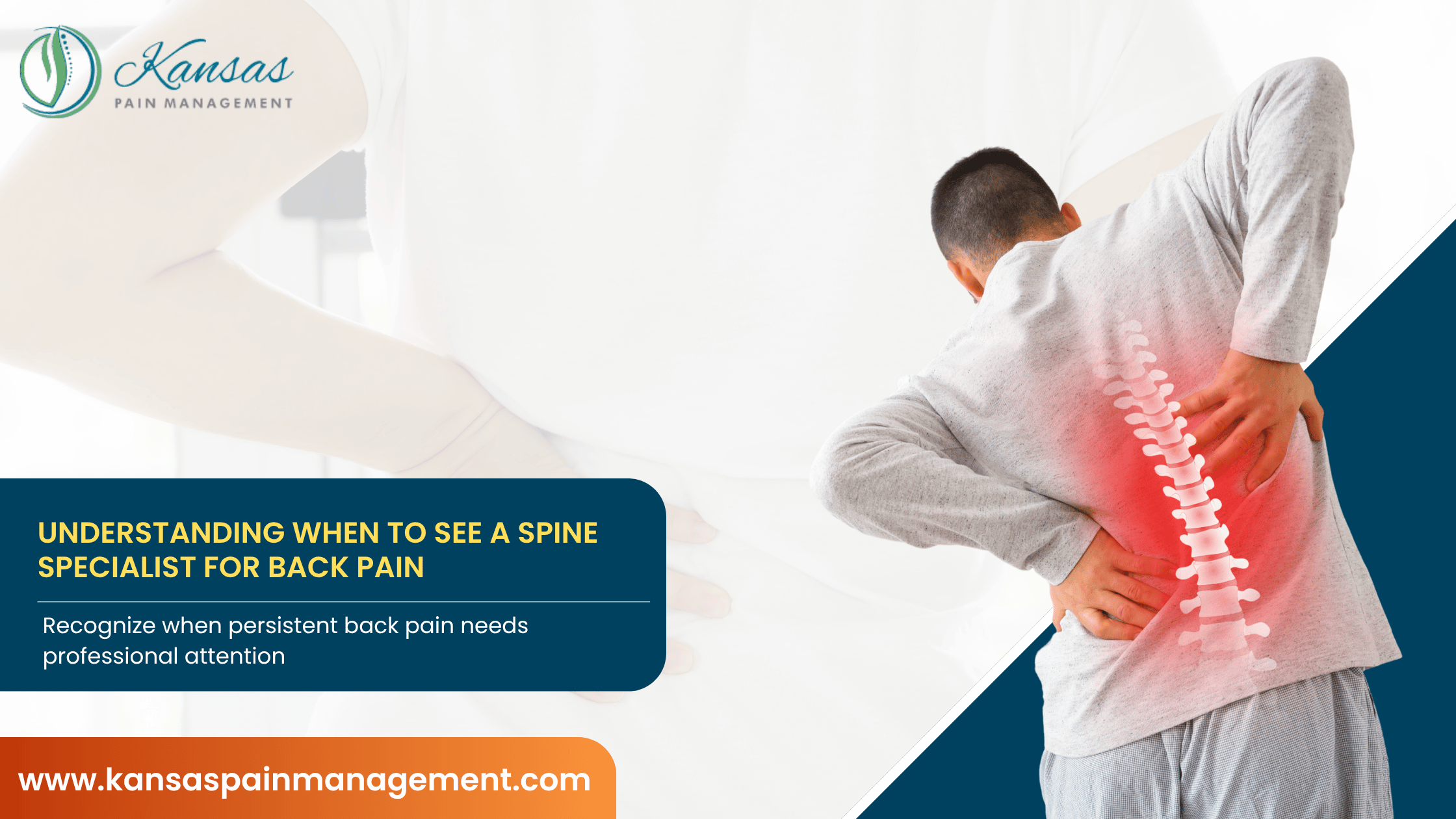

Pain after a workplace injury or car accident can affect nearly every part of daily life. Some patients experience immediate discomfort, while others develop symptoms gradually over the following days or weeks.
At Kansas Pain Management, we help patients throughout Kansas City, Overland Park, and Lawrence recover from chronic pain related to workplace injuries, repetitive strain, and auto accidents using personalized, minimally invasive treatment approaches.
Understanding the treatment options available after an injury may help patients seek care earlier and reduce the risk of long-term pain complications.
Why Pain After an Injury Shouldn’t Be Ignored
Many injuries initially seem minor.
Patients often say:
- “I thought it would go away on its own.”
- “The pain didn’t start until the next day.”
- “I was sore at first, but now it’s getting worse.”
After an accident or injury, adrenaline may temporarily mask symptoms. As inflammation develops, pain may gradually increase.
Ignoring ongoing pain can sometimes allow:
- Inflammation to worsen
- Nerve irritation to continue
- Muscles to tighten
- Mobility to decrease
- Chronic pain patterns to develop
Early evaluation is often important for proper recovery.
Common Workplace Injuries
Work-related injuries may happen suddenly or develop slowly over time.
Common examples include:
- Lifting injuries
- Repetitive strain injuries
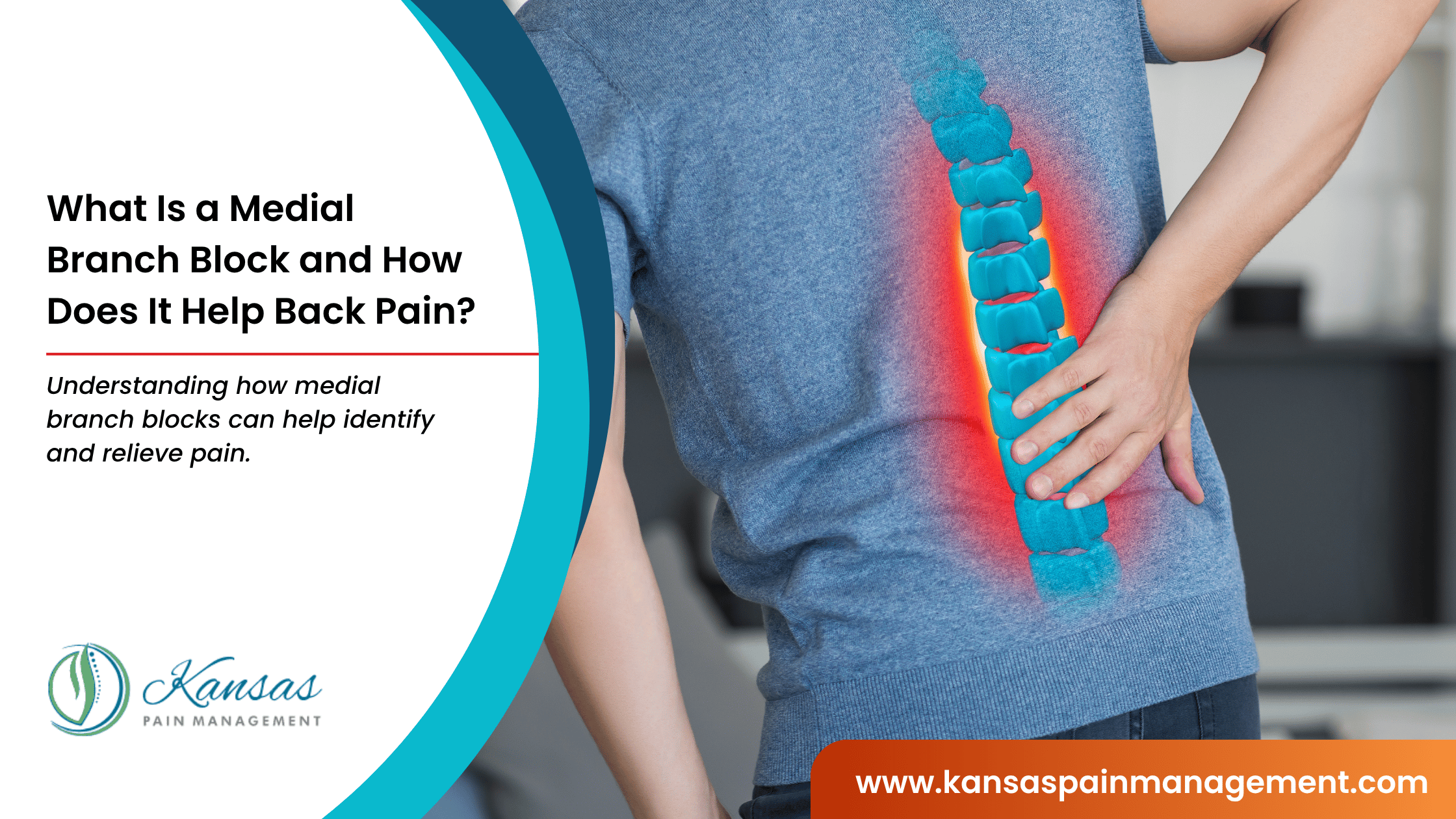
- Back injuries
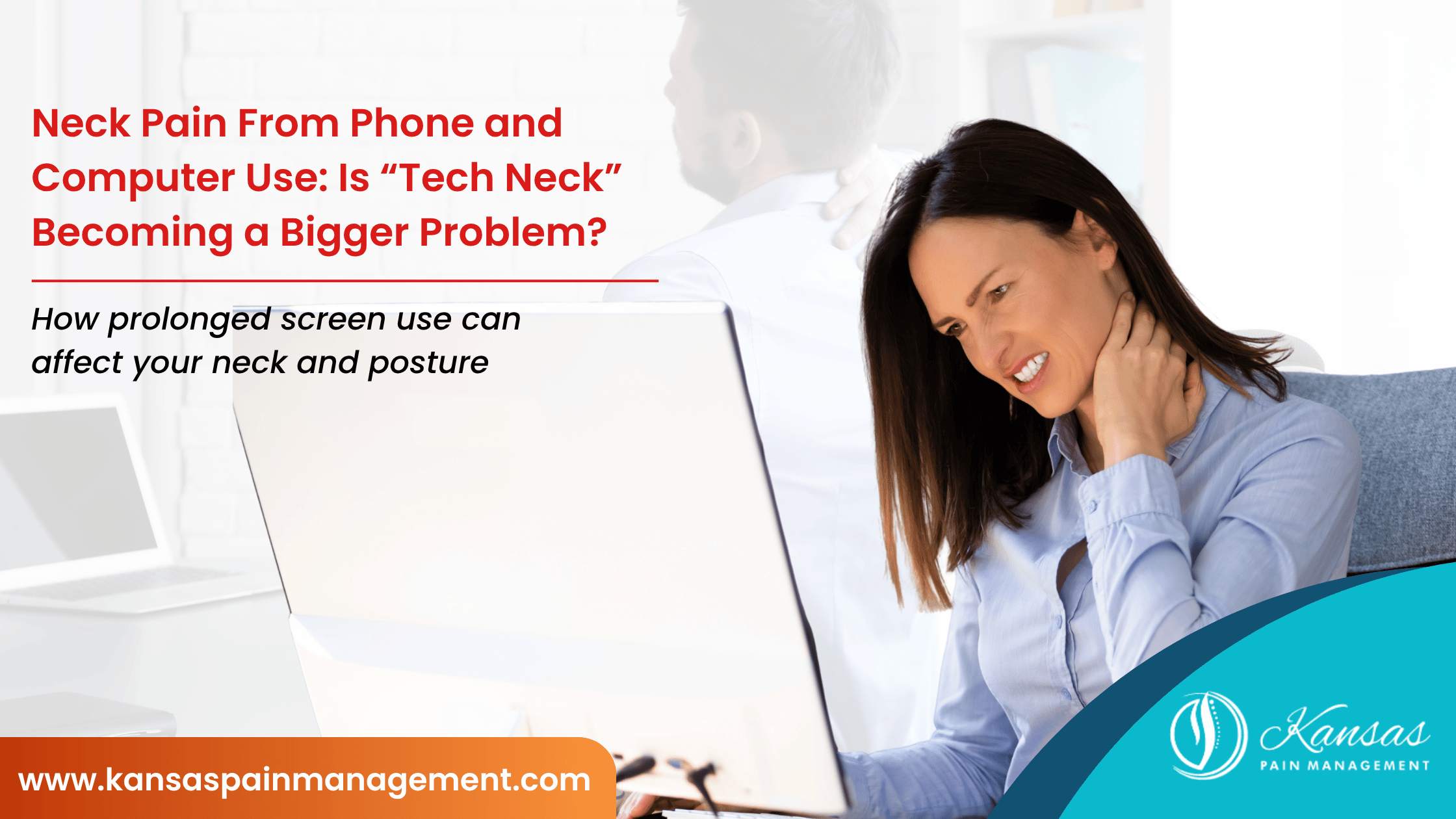
- Neck strain
- Shoulder injuries
- Sciatica
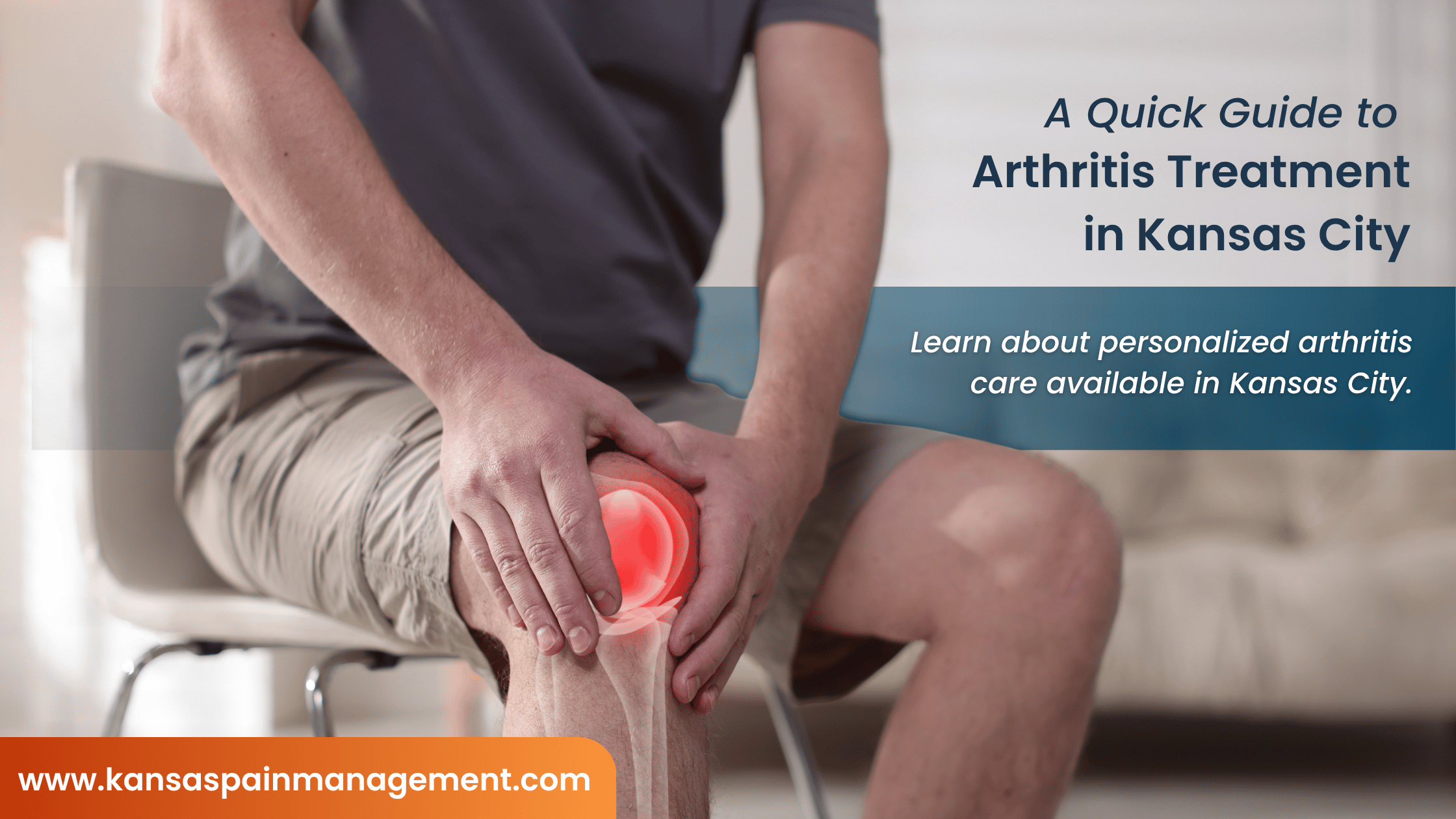
- Joint pain
- Herniated discs
- Muscle spasms
Physically demanding jobs, repetitive movements, prolonged sitting, and driving can all place stress on the spine and joints.
Common Pain After Auto Accidents
Even low-speed vehicle accidents can place significant force on the body.
Patients frequently experience:
- Whiplash
- Neck pain
- Lower back pain
- Shoulder tension
- Headaches
- Tingling or numbness
- Radiating arm or leg pain
- Muscle stiffness
Symptoms may not fully appear until inflammation increases over the following days.
Signs You Should Seek Medical Evaluation
You should seek medical evaluation if you experience:
- Persistent neck or back pain
- Tingling or numbness
- Pain radiating into the arms or legs
- Muscle weakness
- Headaches after an accident
- Difficulty sitting, standing, or walking
- Pain interfering with work or sleep
- Symptoms lasting more than a few days
These symptoms may suggest nerve irritation, spinal injury, or ongoing inflammation.
How Workplace and Auto Injuries Can Become Chronic
Without proper treatment, some injuries may continue affecting the nervous system, muscles, and joints long after the initial event.
Over time:
- Muscles may tighten
- Nerves may stay irritated
- Posture may change
- Mobility may decrease
- Pain sensitivity may increase
This can lead to chronic neck pain, chronic back pain, headaches, or nerve-related symptoms.
Some patients continue experiencing pain months after the original injury.
Treatment Options for Injury-Related Pain
At Kansas Pain Management, treatment plans are individualized based on the injury, symptoms, and severity of pain.
Physical Therapy
Physical therapy may help improve:
- Strength
- Flexibility
- Posture
- Mobility
- Muscle support
Movement-based rehabilitation often plays an important role in recovery after injury.
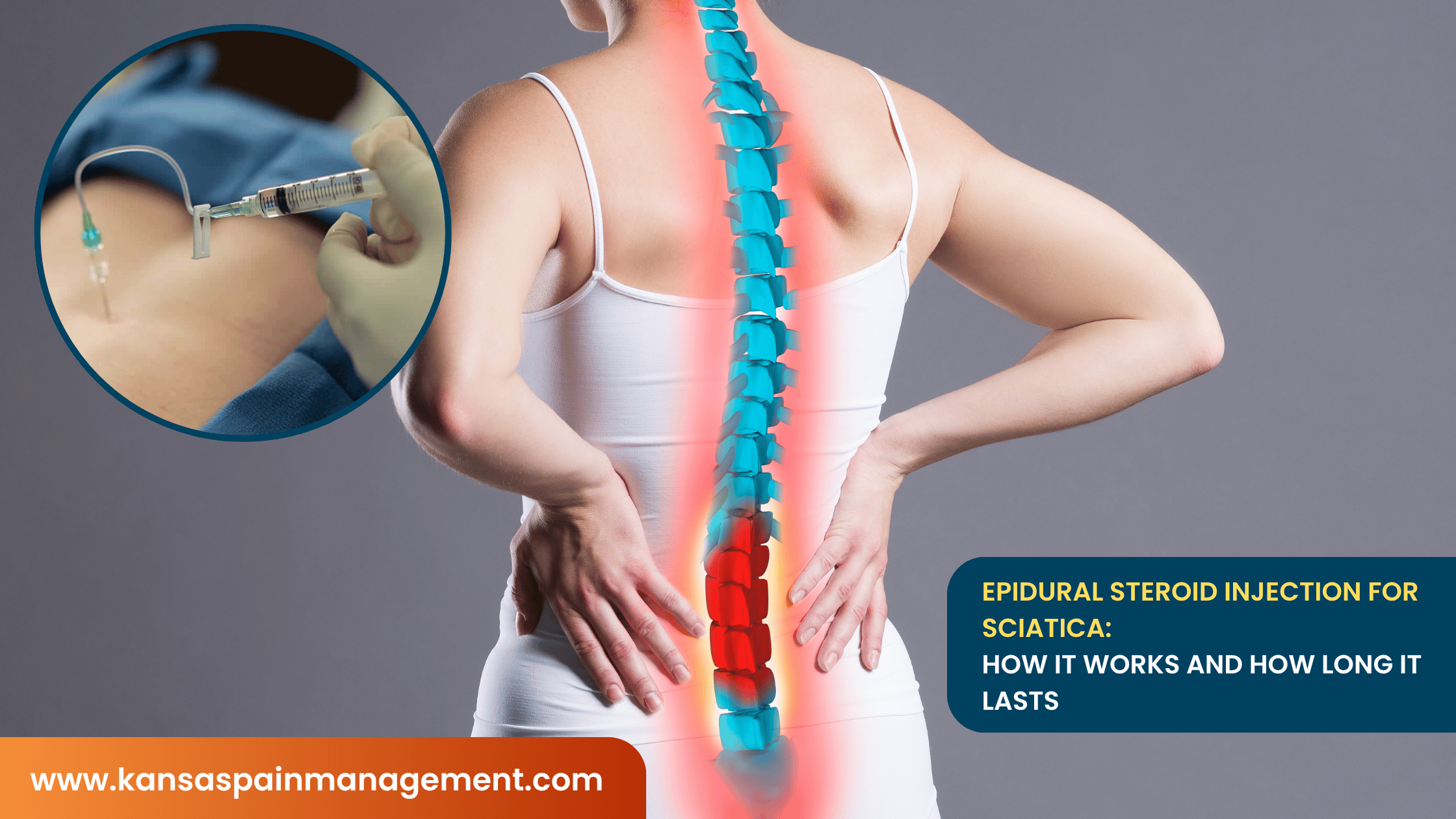
Epidural Steroid Injections
These injections may help reduce inflammation around irritated spinal nerves.
They are commonly used for:
- Sciatica
- Herniated discs
- Radiating arm or leg pain
- Nerve compression
Trigger Point Injections
Muscle tension and spasms frequently develop after injuries.
Trigger point injections may help relieve painful muscle knots affecting the neck, shoulders, or back.
Radiofrequency Ablation (RFA)
For chronic spine-related pain that persists after injury, radiofrequency ablation may provide longer-lasting relief by interrupting pain-signaling nerves.
RFA is commonly used for:
- Chronic neck pain
- Chronic lower back pain
- Facet joint-related pain
Lifestyle and Functional Rehabilitation
Recovery often involves more than simply reducing pain.
Improving:
- Posture
- Movement habits
- Core strength
- Ergonomics
- Daily activity patterns
may help reduce stress on the spine and prevent recurring pain.
Why Some Pain Doesn’t Show Up Clearly on Imaging
Patients are sometimes frustrated when MRIs or X-rays appear “normal” despite ongoing pain.
However:
- Muscle injuries
- Inflammation
- Nerve irritation
- Soft tissue strain
- Joint dysfunction
may not always appear clearly on imaging studies.
This is why a complete physical evaluation is important when symptoms continue.
Returning to Daily Activities Safely
The goal of treatment is not simply masking symptoms. Effective recovery focuses on improving:
- Function
- Mobility
- Strength
- Comfort
- Long-term spinal health
Many patients can return to work, exercise, and normal daily activities with appropriate treatment and rehabilitation.
Personalized Pain Care in Kansas
At Kansas Pain Management, our board-certified specialists provide advanced diagnosis and minimally invasive treatment options for workplace injuries, auto accident pain, chronic neck pain, back pain, sciatica, and nerve-related conditions.
We proudly serve patients throughout Kansas City, Overland Park, Lawrence, and surrounding Kansas communities with personalized treatment plans focused on restoring quality of life.